Authentic Caipirinha: Brazilian Cocktail in Key West
Authentic Caipirinha: Brazilian Cocktail in Key West
By Jose Diaz, El Meson de Pepe
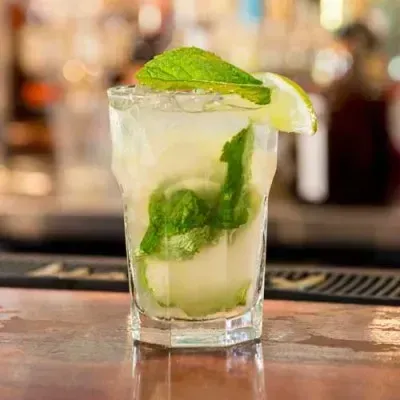
The Caipirinha, Brazil's national cocktail, is a simple trio of cachaça, lime, and sugar that delivers a bright, refreshing flavor. This guide covers the drink's origins, correct preparation, and where to find authentic versions in Key West. You'll learn the history and taste profile, practical steps to make it at home, and where to taste well-made examples. Whether you're experienced with cocktails or trying one for the first time, this will help you recognize and enjoy a proper Caipirinha.
What Is a Caipirinha and Why Is It Brazil's National Cocktail?
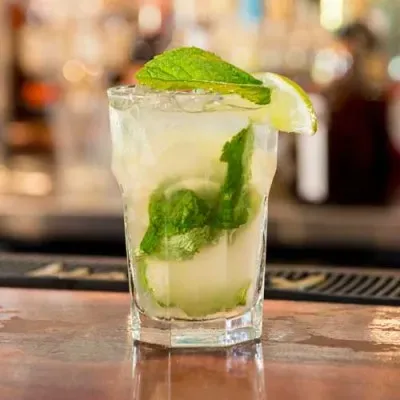
A Caipirinha pairs cachaça, fresh lime, and sugar to create a tangy, thirst-quenching cocktail. Its straightforward recipe and bold citrus-driven flavor make it a staple at celebrations and social gatherings in Brazil. Though enjoyed worldwide, the Caipirinha's roots and cultural importance remain distinctly Brazilian.
Origins and Cultural Significance of the Caipirinha
The Caipirinha appeared in Brazil in the early 20th century and was once used in folk remedies. Over time it became a national emblem of hospitality and festivity, and regional variations using local fruits show how the cocktail adapted to local tastes while keeping its core identity.
Key Ingredients: Understanding Cachaça and Its Role
Cachaça, made from fermented sugarcane juice, is the Caipirinha's defining ingredient. Unlike rum, which is usually distilled from molasses, cachaça retains grassy, subtly sweet notes. The spirit's quality strongly influences the cocktail, so choose a good cachaça for an authentic result. Fresh lime and the right amount of sugar balance the spirit and create the drink's characteristic harmony.
How to Make an Authentic Caipirinha: Step-by-Step Recipe and Tips
An authentic Caipirinha requires only three quality ingredients and a simple technique: fresh lime, correct muddling, and a clean cachaça deliver the best result.
Essential Ingredients and Their Functions in the Cocktail
To make a classic Caipirinha, you need:
- Cachaça: The base spirit that provides the cocktail's unique flavor.
- Lime: Fresh lime adds acidity and brightness, balancing the sweetness of the sugar.
- Sugar: Typically granulated or superfine sugar, it sweetens the drink and enhances the overall flavor.
Together these components create a balanced cocktail: acidity from lime, sweetness from sugar, and the spirit's character from cachaça.
Preparation Techniques for the Perfect Balance of Flavors
Cut a lime into wedges and place them in a short glass. Add the sugar and muddle the lime to release its juice and oils. Fill the glass with ice, pour in the cachaça, and stir gently until the sugar dissolves. The result is a vibrant cocktail that highlights Brazil's flavors.
Where to Find the Best Caipirinha Bars and Specials in Key West
Key West's lively bar scene makes it a natural place to enjoy a Caipirinha. Local bars and restaurants often put their own spin on the classic, using regional ingredients and creative presentations.
El Meson de Pepe: Experience Authentic Brazilian Cocktails in a Cuban Ambiance
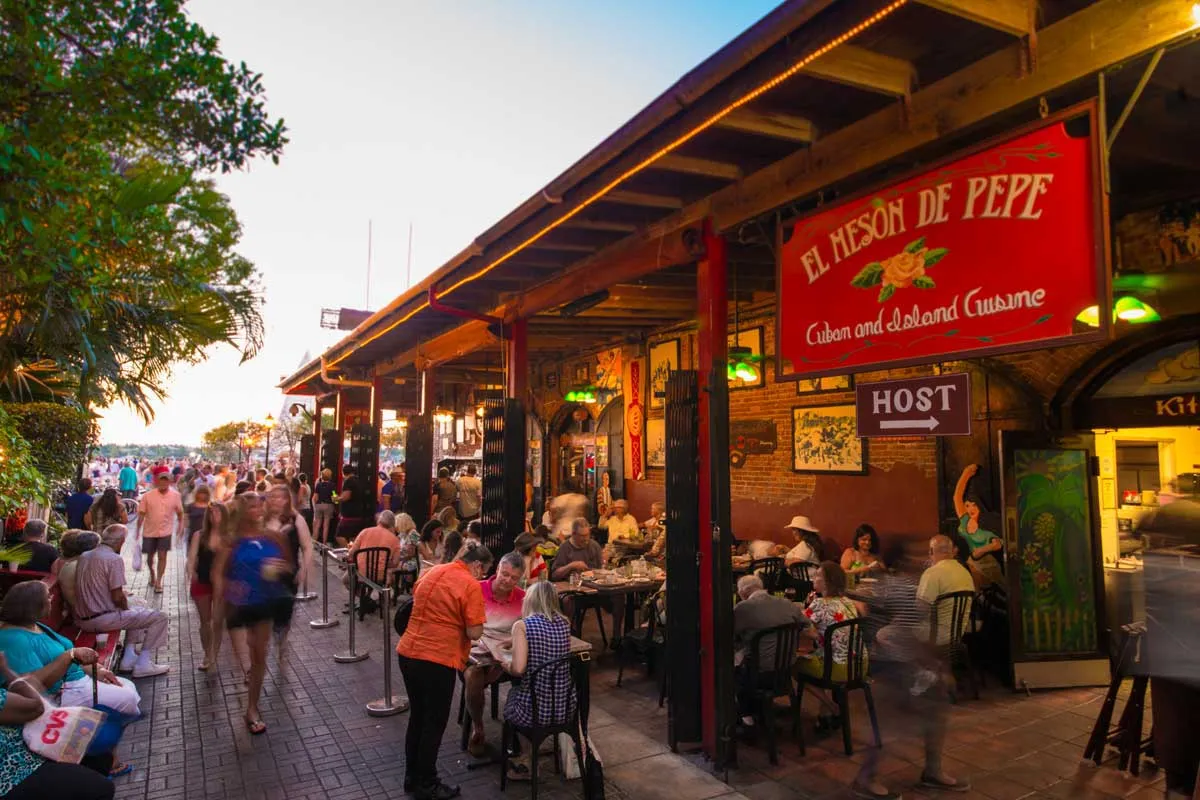
El Mesón de Pepe, at 410 Wall Street, Mallory Square, Key West, FL 33040, is a long-standing restaurant focused on authentic Cuban cuisine and a lively cultural setting. You can order a Caipirinha here and expect cocktails made with attention to ingredient quality; the venue's emphasis on fresh components helps ensure consistently well-crafted drinks.
Key West Cocktail Specials Featuring Cachaça-Based Drinks
Beyond El Mesón de Pepe, other Key West bars put cachaça on special and include it on seasonal cocktail lists. These venues demonstrate cachaça's adaptability and encourage you to explore different interpretations of the Caipirinha.
How to Pair Caipirinha with Cuban Cuisine for an Enhanced Dining Experience
A Caipirinha pairs well with Cuban cuisine because its bright acidity and measured sweetness complement many traditional flavors.
Flavor Profiles of Cuban Dishes Complementing the Caipirinha
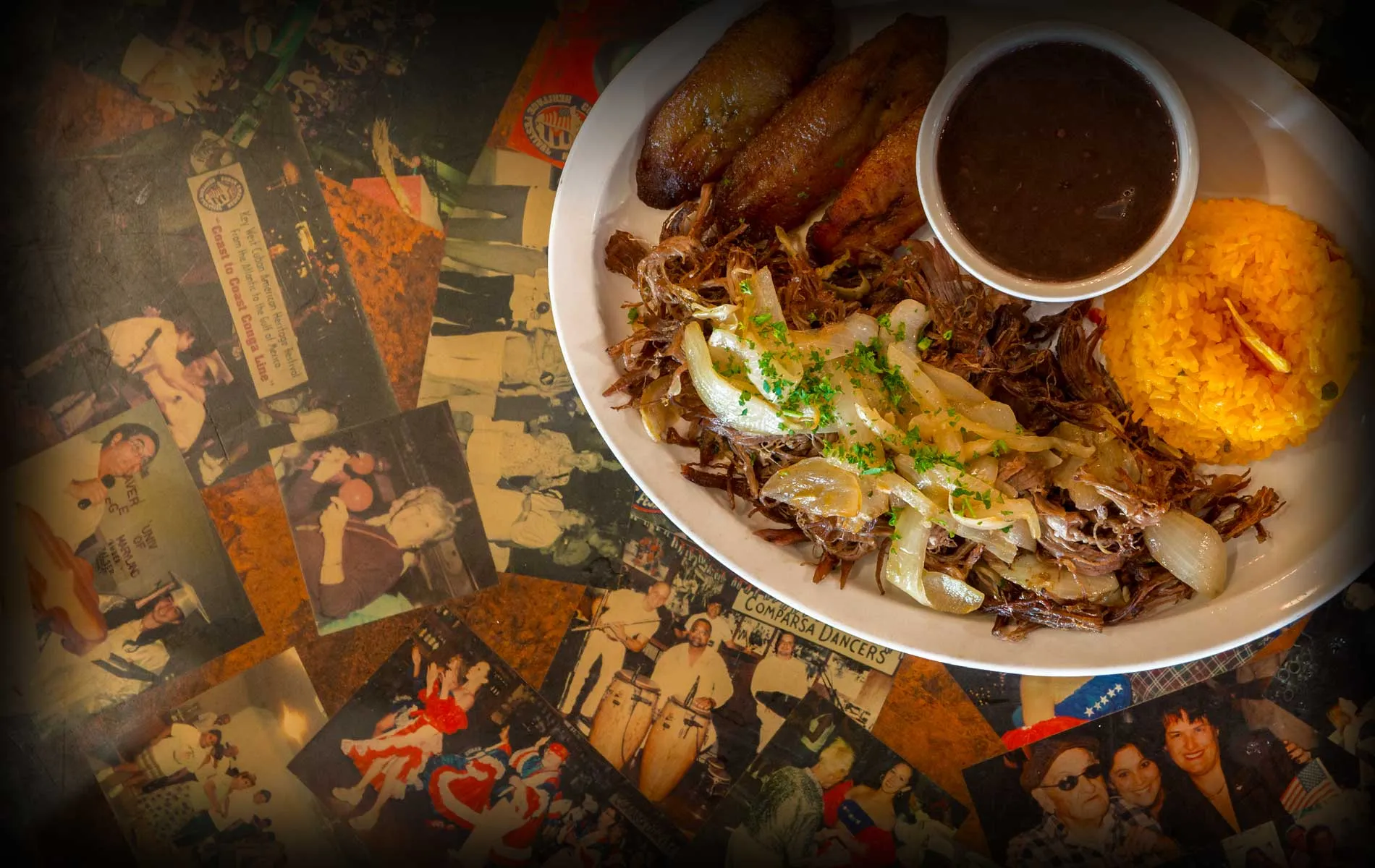
Hearty dishes like Ropa Vieja and Picadillo, alongside starchy sides such as tostones, pair nicely with a Caipirinha. The lime's acidity cuts through rich meats while the sugar rounds spicy or savory elements, producing a balanced contrast between bite and refreshment.
Practical Tips for Home Cooks and Diners on Pairing Cocktails and Food
Match the cocktail's acidity with a dish's richness for successful pairings. Try small experiments—different combinations often reveal pleasant surprises. When dining out, ask your server for pairing suggestions; they can recommend cocktails that complement the menu.
Frequently Asked Questions
What is the best type of cachaça to use for a Caipirinha?
Choose a high-quality artisanal cachaça, preferably unaged or lightly aged and made from fresh sugarcane juice rather than molasses. That grassy, slightly sweet profile defines an authentic Caipirinha. Brands commonly recommended include Leblon, Avuá, and Ypióca. Check production notes to confirm you're buying a premium product that will enhance the cocktail.
Can I make a Caipirinha with fruits other than lime?
Yes. While lime is traditional, fruits such as strawberries, passion fruit, or mango work well. Muddle the chosen fruit with sugar as you would lime, then proceed with the recipe to create a fruit-forward variation.
What are some common mistakes to avoid when making a Caipirinha?
Avoid bottled lime juice—it lacks the fresh aroma and brightness of fresh limes. Make sure to muddle the lime thoroughly so juices and oils are released; under-muddling yields a flat drink. Use an appropriate amount of sugar: too much hides the spirit, too little leaves the cocktail overly sharp. Finally, pour the cachaça over ice to keep the drink cool and refreshing.
How can I enhance the presentation of my Caipirinha?
Serve in a clear glass to showcase the drink's color. Garnish with a lime wheel or a mint sprig for aroma and visual appeal. Rimming the glass with sugar or adding a colorful straw or fruit pick gives a festive finish.
Are there any non-alcoholic versions of the Caipirinha?
Yes. Make a "virgin Caipirinha" by replacing cachaça with soda water or a non‑alcoholic spirit alternative. Muddle fresh lime and sugar, add ice, then top with your chosen mixer to retain the zesty lime flavor and sweetness.
What are some popular cocktails similar to the Caipirinha?
Cocktails similar to the Caipirinha include the Mojito (rum, mint, lime, sugar), the Daiquiri (rum, lime, sugar), and the Caipiroska (vodka instead of cachaça). Each balances acidity and sweetness in a comparable way.
Additional Frequently Asked Questions
What makes El Mesón de Pepe a great spot to try an authentic Caipirinha in Key West?
El Mesón de Pepe, located at 410 Wall St, Mallory Square, Key West, FL 33040, Key West, is known for authentic Cuban cuisine served in a lively, festive atmosphere. When you order a Caipirinha there, you can expect the same attention to quality that defines the restaurant's food: fresh lime, well-balanced sugar, and a properly chosen cachaça. That focus on fresh, quality ingredients is what keeps the cocktail consistent and well-crafted, glass after glass. Pairing that drink with the restaurant's Cuban dishes and vibrant setting makes it a memorable way to experience both Brazilian and Cuban culture in one sitting, right in the heart of Key West.
Which Cuban dishes pair best with a Caipirinha?
The Caipirinha pairs especially well with hearty, savory Cuban dishes like Ropa Vieja and Picadillo, as well as starchy sides such as tostones. The cocktail's bright lime acidity cuts through the richness of slow-cooked meats, while its measured sweetness softens spicy or savory notes, creating a balanced contrast between each bite and sip. This makes the Caipirinha a versatile match rather than a one-dish pairing: it refreshes the palate after a rich forkful and keeps the meal feeling light. For the best experience, alternate sips and bites so the citrus and sugar can reset your palate between courses.
Is cachaça the same as rum?
Cachaça and rum are related but not the same. Both are sugarcane-based spirits, but cachaça is distilled specifically from fresh sugarcane juice, while rum is usually made from molasses, a byproduct of sugar refining. That difference in raw material gives cachaça its distinctive grassy, subtly sweet character, compared to the profile of many rums. Because cachaça is the defining ingredient in a Caipirinha, using an actual cachaça rather than a rum substitute matters: swapping in rum changes the flavor profile and moves the drink away from an authentic, traditional Caipirinha.
Do you need special bar equipment to make a Caipirinha at home?
You don't need any specialized bar equipment to make a Caipirinha at home. A short glass, a muddler (or the back of a spoon), and a knife to cut the lime into wedges are all the tools required. The technique itself is simple: muddle the lime with sugar to release its juices and oils, add ice, pour in the cachaça, and stir until the sugar dissolves. Because the recipe relies on just three ingredients and basic tools, it's an approachable cocktail for home bartenders who want an authentic taste of Brazil without investing in specialty equipment.
Is a Caipirinha a strong cocktail?
A Caipirinha can be a fairly robust cocktail because cachaça is its only spirit and the drink isn't heavily diluted beyond the ice used to chill it. The lime and sugar balance the cachaça's intensity and make the drink easy to sip, but the underlying strength comes through since there's no juice, soda, or extra mixer cutting the alcohol. Choosing a good-quality cachaça matters here too, since a smoother, well-made spirit makes the drink's strength feel balanced rather than harsh. As with any spirit-forward cocktail, it's worth enjoying a Caipirinha at a comfortable pace.
What occasions are best suited for serving a Caipirinha?
In Brazil, the Caipirinha is a staple at celebrations and social gatherings, prized for its refreshing, festive character. That makes it a natural choice for parties, warm-weather get-togethers, or any occasion where a bright, easy-to-drink cocktail suits the mood. Its simple three-ingredient recipe also means it can be prepared for a crowd without much fuss. Whether you're hosting a casual dinner featuring Cuban dishes or looking for a lively drink to mark a special occasion, the Caipirinha's bold citrus flavor and cultural association with hospitality make it a fitting addition to the gathering.
Conclusion
Whether you're searching for how to make an authentic Caipirinha or where to taste one in Key West, the answer starts with three essentials: quality cachaça, fresh lime, and just enough sugar to balance them. Mastering the simple muddling technique at home recreates that same bright, citrus-forward profile found in Key West's best bars, while a visit to El Mesón de Pepe on Mallory Square pairs the cocktail with authentic Cuban dishes like Ropa Vieja and Picadillo for a fuller taste of the culture behind it. Together, the drink's Brazilian roots and its place in Key West's dining scene show how a simple three-ingredient cocktail can carry so much flavor and tradition. Next time you're craving that refreshing sip, stop by El Mesón de Pepe to try a well-crafted Caipirinha alongside a plate of Cuban classics.
