Easy Cuban Recipes for a Delicious Dinner
Easy Cuban Recipes for Dinner — Authentic Key West Flavors from El Meson de Pepe

Bringing real Cuban flavor to your weeknight table is easier than you think. Focus on a handful of building blocks—vibrant sofrito, a zesty mojo, good proteins, ripe plantains, fluffy rice, and well-seasoned beans—and you’ll be surprised how quickly classic dishes come together. This guide shares practical, restaurant-tested techniques so you can make Picadillo, Ropa Vieja, Arroz con Pollo, roast pork, and the sides you expect from Key West without fancy gear or long prep. You’ll find step‑by‑step recipes, time-saving swaps, and simple plating ideas that deliver the garlic-forward, citrus-bright flavors our island is known for. Whether it’s a fast family dinner or a neighborhood get-together, these recipes keep authenticity and ease front and center—true to Cuban‑Conch tradition from our kitchen to yours. Recipe Guide
Below we cover the most popular easy Cuban dinner recipes, quick methods for rice and beans, secrets for a flavorful roast pork, complementary sides, how El Meson de Pepe brings Key West flavor into home kitchens, and tips for hosting a Cuban-themed dinner or private event.
What Are the Most Popular Easy Cuban Dinner Recipes?
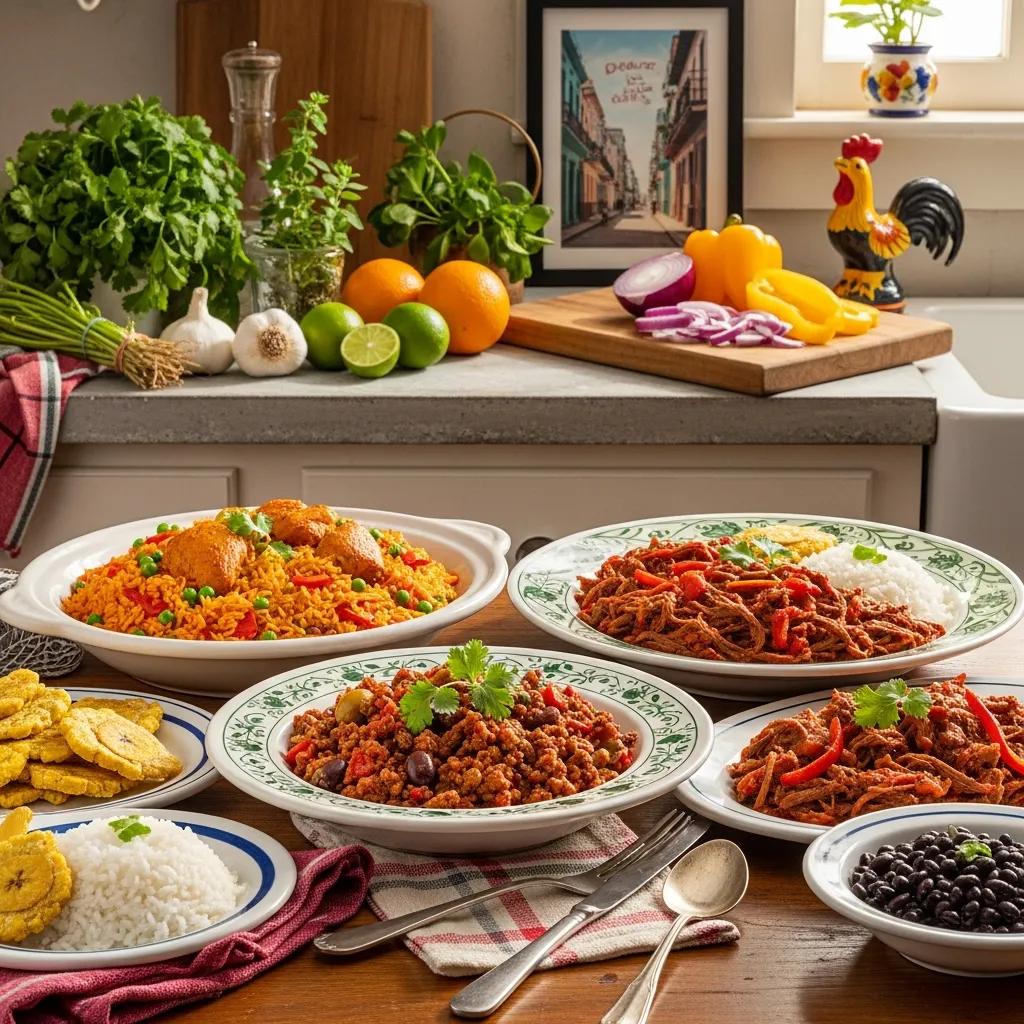
Easy Cuban dinners rely on a few repeating flavor foundations—most notably sofrito and mojo—that turn simple ingredients into memorable meals. Favorites include Picadillo (a savory ground beef hash), Ropa Vieja (shredded beef in a tomato‑peppers sauce), Arroz con Pollo (chicken and rice), Lechón‑style roast pork, and the classic rice-and-beans with plantains. Garlic, onions, bell peppers, rice, black beans, and plantains show up again and again, so once you master a couple of base techniques you can mix and match confidently.
Use this quick list to pick a dish that fits your time and occasion.
These five approachable Cuban dishes explain why the cuisine is perfect for weeknights and casual entertaining:
- Picadillo: A fast, flavorful ground beef skillet built with sofrito, tomatoes, and optional raisins for that sweet‑salty lift.
- Ropa Vieja: Tender shredded beef in a rich tomato‑and‑pepper sauce—speed it up in a pressure cooker or let it slow‑simmer for deeper flavor.
- Arroz con Pollo: One‑pot chicken and rice, often brightened with saffron or annatto, that cooks together for easy cleanup.
- Lechón‑style Roast Pork: Pork shoulder marinated in citrus and garlic, roasted until fork‑tender—great for sandwiches and leftovers.
- Rice & Beans with Plantains: The home‑plate classic—fluffy rice, sofrito‑seasoned black beans, and either crispy tostones or sweet maduros.
The quick comparison below helps you choose a recipe by time, technique, and group size—handy when you’re planning tonight’s dinner or a casual gathering.
| Dish | Key Ingredients | Why it’s easy (time/technique) | Best for (weeknight, event) |
|---|---|---|---|
| Picadillo | Ground beef, sofrito, tomatoes, olives/raisins | One‑pan skillet, ~30 minutes | Weeknight family meal |
| Ropa Vieja | Flank/shoulder beef, tomatoes, peppers, sofrito | Make‑ahead or pressure‑cooker option | Dinner with guests |
| Arroz con Pollo | Chicken, rice, saffron/annatto, sofrito | One‑pot method, hands‑off simmer | Family dinner |
| Roast Pork (Lechón style) | Pork shoulder, mojo, garlic, citrus | Overnight marinade, oven/slow‑cooker finish | Weekend roast / event |
That comparison shows Sofrito and Mojo are at the heart of many dishes—learn those two and you’ll be able to adapt recipes for different nights and crowds. Start with Picadillo and Ropa Vieja to build a reliable foundation.
How to Make an Easy Cuban Picadillo Recipe at Home

Picadillo is pure Cuban comfort—ground beef cooked with sofrito, brightened with a touch of vinegar or citrus, and finished with small mix‑ins like olives or raisins. The method is straightforward: brown the meat, build flavor with sofrito and spices, add tomatoes and mix‑ins, then simmer briefly so everything comes together. The result is a savory, slightly sweet one‑pan dish that shines over white rice with a side of fried plantains. Because ground meat cooks fast and soaks up aromatics, Picadillo is perfect for busy evenings.
- Ingredients: 1 lb ground beef, 1 cup sofrito, 1/2 cup diced tomatoes, 2 tbsp olives + brine, 1 tbsp vinegar or sour orange substitute.
- Method: Brown the beef, add sofrito to toast briefly, stir in tomatoes and mix‑ins, then simmer 10–12 minutes.
- Serve: Spoon over rice, scatter chopped cilantro on top, and serve with maduros or tostones.
These steps keep Picadillo bright and balanced—mastering it prepares you to tackle Ropa Vieja, which shares the same flavor road map but cooks longer for deeper complexity.
What Makes Simple Ropa Vieja a Classic Cuban Dinner Dish?
Ropa Vieja shines because slow cooking turns tougher cuts into tender strands that soak up a layered tomato‑and‑pepper sauce built on sofrito. Long, slow braising (or a pressure‑cooker shortcut) breaks down connective tissue and concentrates flavor, producing fork‑tender beef in a slightly tangy sauce. The best part: Ropa Vieja often tastes even better the next day and scales easily for crowds or meal prep.
- For a quicker version: sear the beef, pressure‑cook with broth and tomatoes, shred, then reduce the sauce.
- Slow‑cooker option: brown the onions and peppers, add beef and tomatoes, and cook low for 6–8 hours.
- Serve with rice, black beans, and tostones for a balanced plate.
Ropa Vieja rewards patience but takes well to shortcuts—understanding timing here leads into the rice and beans techniques that accompany most Cuban mains.
How Can You Prepare Quick and Authentic Cuban Rice and Beans?
Great Cuban rice and beans start with sofrito for the beans and careful water ratios for fluffy rice. For black beans, the trick is layering flavors: soak (or quick‑soak) the beans, simmer them with sofrito and aromatics, and finish with a splash of acid to brighten. For rice, even heat and the right liquid‑to‑rice ratio give separate, tender grains. These approaches deliver reliable weeknight results and work well for batch cooking.
Follow these simple steps for black beans:
- Sauté sofrito until fragrant, then add soaked or rinsed beans and enough stock or water to cover.
- Simmer gently until tender, adjust liquid and seasoning, and finish with a splash of vinegar or sour orange substitute.
- Let beans rest before serving so flavors settle, then pair with perfectly steamed white rice.
Choose the method that fits your schedule—compare stovetop, pressure‑cooker, and make‑ahead options below.
| Method | Ingredient Variations | Cook Time | Yield |
|---|---|---|---|
| Stovetop | Dried beans, sofrito, bay leaf, vinegar | 1.5–2 hours (soak optional) | 4–6 servings |
| Pressure cooker | Same aromatics, add stock | 25–40 minutes (no soak needed) | 4–6 servings |
| Make-ahead (batch) | Double sofrito, cooked beans frozen or refrigerated | 20 min reheating | 8–12 portions |
Stovetop gives you control, the pressure cooker saves time, and make‑ahead batches buy you convenience—master all three and your rice and beans will be dependable every meal.
What Is the Best Authentic Cuban Black Beans Recipe?
Classic Cuban black beans rely on good sofrito timing and an acidity finish to balance the richness. Start by sautéing sofrito until the onions and peppers are soft, add rinsed black beans and enough stock or water to cover by about two inches, then simmer gently until tender, skimming any foam and adjusting liquid so you end up with a medium‑thick broth. Finish with a splash of vinegar or sour orange substitute and a handful of chopped cilantro for brightness.
- For speed: use a pressure cooker—about 25–30 minutes from fresh.
- For deeper flavor: make beans a day ahead—cooling and resting intensify the profile.
- Leftovers work great for tacos, rice bowls, or as a base for stews.
These steps help you avoid gluey or thin beans and translate directly into reliable sides and meal‑prep staples—perfect for pairing with Arroz con Pollo.
How to Cook Quick Cuban Arroz Con Pollo for Dinner
Arroz con Pollo is a one‑pot harmony of rice, chicken, and sofrito. Browning the chicken first builds flavor; toasting the rice in the pan briefly before adding liquid helps the grains stay separate. Add sofrito, spices, the correct amount of liquid, return the chicken, cover, and let everything steam until the rice is tender and the chicken is done. That sequence—brown, toast, steam—creates a cohesive, well‑seasoned dish with minimal cleanup.
- Use 1 part rice to 1.5–2 parts liquid depending on rice type.
- Saffron or annatto adds color and a subtle note; turmeric is an accessible alternative.
- Let the pot rest, covered, after cooking so the rice finishes steaming and the flavors settle.
This one‑pot method is ideal for family dinners and small gatherings—and knowing it makes it easy to move on to larger mains like roast pork.
What Are the Secrets to a Flavorful Weeknight Cuban Roast Pork?

Great Cuban roast pork starts with a bold mojo, the right cut, and patient cooking. A garlic‑citrus marinade penetrates fatty cuts, then a low‑and‑slow cook breaks down connective tissue while a final blast of high heat builds a caramelized crust. The result is versatile pork that slices beautifully for plates, shreds for sandwiches, and reheats without losing its charm.
- Mojo first: A garlic‑citrus marinade both flavors and tenderizes the meat.
- Low‑and‑slow then high‑sear: Cook slowly to tenderize, finish hot to develop a crust.
- Rest before slicing: Letting the pork rest keeps it juicy and easy to carve.
These three steps—marinade, proper cooking, and resting—give you a reliable roast for weeknights and weekend gatherings. Next, the mojo recipe so you can replicate the signature flavor at home.
How to Make Mojo Marinade for Cuban Roast Pork
Mojo is a simple emulsified garlic‑citrus blend: bright acid for tenderizing and aromatics for deep flavor. Classic proportions lean heavy on garlic and citrus—several crushed cloves, about a cup of sour orange or a mix of orange and lime, olive oil, oregano, salt, and black pepper. Blend until smooth and marinate the pork overnight for best penetration, or 2–4 hours for a quicker weeknight option.
- If you can’t find sour orange, use equal parts orange and lime as a reliable substitute.
- Add a splash of vinegar for a sharper tang that speeds tenderizing.
- Reserve some mojo to baste the roast in the final 20 minutes for extra surface flavor.
These ratios and swaps help you make mojo with what’s on hand while keeping the bright, garlicky profile that defines Cuban roast pork.
What Are the Best Cooking Methods for Cuban Pork Shoulder?
Pork shoulder shines with oven roasting, slow cooker, or pressure cooker methods—each breaks down collagen but yields different textures and crust potential. Oven roasting gives the best crust when you finish at high heat; slow cookers deliver very tender, shreddable pork with minimal attention; and pressure cookers cut active time while still making pork you can finish with a quick sear.
- Oven: 300–325°F low roast for 3–4 hours, finish at high heat 10–15 minutes.
- Slow cooker: 6–8 hours on low, shred and broil briefly for a crust.
- Pressure cooker: 60–90 minutes depending on size, then rest and crisp before serving.
Pick the method that matches the texture you want—sliceable roast versus pulled pork—and the time you have. That decision guides your portioning and service plans for any gathering.
Which Traditional Cuban Side Dishes Complement a Delicious Dinner?
Traditional Cuban sides add contrast in texture and flavor—fried plantains, simple salads, and sofrito‑based vegetables complete the plate. Plantains bring sweet or crispy notes with maduros (ripe and caramelized) or tostones (twice‑fried green plantains), while sofrito flavors many vegetable and rice sides. A citrusy salad or quick pickled onions cut through richness and brighten the meal. Thoughtful pairings echo the main dish and round out the plate.
Here are three essential side categories and when to choose each:
- Tostones: Twice‑fried green plantains — starchy and crisp, perfect with roast pork or Picadillo.
- Maduros: Caramelized ripe plantains — sweet and tender, a lovely foil for savory, acidic mains.
- Sofrito‑based sides: Vegetables or beans finished with sofrito — versatile and full of flavor.
These choices set you up to handle frying and sofrito basics, which we’ll describe next for plantains and sofrito.
How to Prepare Cuban Plantain Side Dishes: Tostones and Maduros
Plantain technique is straightforward: for tostones, fry green plantain slices until lightly golden, press them flat, then fry again until crisp; for maduros, fry ripe plantain slices gently until they caramelize and soften. Keep oil at medium‑high for tostones and medium for maduros to avoid burning. Press tostones with a flat plate or a tostonera, season with coarse salt after the second fry, and serve hot. For maduros, pick fully yellow‑to‑black plantains to get plenty of natural sweetness and caramel color.
- Safety tip: Use a deep pan, watch the oil, and keep temps steady.
- Serving: Tostones pair well with a garlic mojo dip; maduros balance savory mains.
- Timing: Both can be made as the main finishes and reheated briefly if needed.
Get these frying steps right and your plantains will reliably complement the mains described above—next, the sofrito that ties so many recipes together.
What Are Classic Cuban Sofrito and Its Role in Side Dishes?
Sofrito is the flavor base of Cuban cooking—onion, green pepper, garlic, and sometimes cilantro or culantro, finely chopped or pureed and gently sautéed to release aroma. Make a batch by pulsing the ingredients, cook slowly in oil until fragrant, and store refrigerated or frozen in portions for quick weeknight use. Sofrito lifts beans, rice, stews, and vegetable sides by giving an immediate, layered savory foundation that shortens active cooking time.
- Ingredient flexibility: Add tomato or ají dulce if you have them for regional variation.
- Storage: Freeze in ice‑cube trays for easy single‑serving boosts to soups and rice.
- Application: Start beans, meats, and sautés with sofrito for consistent results.
Learning to make and keep sofrito on hand will make many recipes in this guide come together faster and taste more like what you’d get in a restaurant.
How Does El Meson de Pepe Bring Key West Cuban Flavors to Your Kitchen?
At El Meson de Pepe we bring Key West’s Cuban‑Conch heritage to approachable plates by leaning on bright citrus, garlic‑forward marinades, and classic sofrito sauces you can reproduce at home. As a family‑run restaurant rooted in Mallory Square, our menu reflects coastal flavors and local storytelling—simple techniques like mojo, sofrito, and careful roasting that home cooks can use to make memorable meals. Chef Pepe Diaz focuses on preserving authentic methods while adapting them for modern kitchens; that outlook shapes the tips in this guide. Recipe resource
Our menu and history are meant to inspire: the classic Cuban dishes and cocktails we serve show how straightforward methods create lasting flavors. If you want to taste the finished dish, we invite you to visit and experience the plated presentations and beverage pairings that bring these same ideas to life in Key West.
What Are Chef Pepe Diaz’s Tips for Authentic Cuban Cooking?
Chef Pepe Diaz shares a few practical habits that home cooks can use right away. First, have your mise en place ready—keep sofrito and mojo on hand so building flavor is quick. Second, balance acid with fat—citrus or vinegar brightens rich meats and beans. Third, save pan fond and deglaze to capture browned flavor for sauces. Finally, choose fresh plantains and quality pork when possible, and make beans a day ahead to deepen their taste.
- Practical tip: Double up your sofrito batch and freeze portions to save time later.
- Flavor tip: Toast garlic briefly to tame bitterness while keeping aroma.
- Presentation tip: Serve plantains hot and add a citrus wedge for finishing.
These focused tips translate restaurant practice into home techniques that lift every recipe in this guide—and help you bring a bit of Key West into your kitchen.
How to Incorporate Cuban-Conch Heritage into Your Dinner Recipes
Cuban‑Conch heritage in Key West blends Cuban techniques with island seafood traditions and casual, communal presentation. To reflect that at home, add simple seafood touches, tell the story behind a dish, and serve family‑style. Practically, stir in cooked shrimp to rice dishes, use citrusy marinades, and lay out bowls of rice, beans, and plantains for sharing. A short note on a dish’s origin—why it matters to the island—makes the meal feel rooted and welcoming.
- Ingredient nods: Fold in a handful of cooked shrimp to Arroz con Pollo or use conch where available.
- Presentation: Serve mains family‑style with bowls of rice, beans, and plantains for sharing.
- Storytelling: Share a brief origin or ingredient note when you serve to connect guests to place.
These ideas honor Cuban‑Conch heritage through flavor and presentation while keeping recipes practical. Next we’ll cover scaling recipes and coordinating events, plus how to ask about private gatherings with the restaurant.
How Can You Host a Cuban-Themed Dinner or Private Event with These Recipes?
Hosting a Cuban‑themed dinner is simple when you pick mains that scale, plan make‑ahead components, and sort logistics like plating and staffing. Choose 2–3 mains and 2–3 sides that travel well—roast pork, Arroz con Pollo, black beans, and a plantain trio cover most tastes. Build a timeline for prep and reheating, prioritize items that like to rest (roasts, beans), and consider family‑style or buffet service to keep plating straightforward. Recipe resource
To inquire about private events at El Meson de Pepe, gather your date and guest count, note menu preferences and dietary needs, set a budget range, and contact our events team through the restaurant’s contact page. We’ll suggest menus that mirror these home recipes and help create an authentic Key West experience.
| Menu Item | Portions per Person | Prep Notes | El Meson de Pepe Recommendation |
|---|---|---|---|
| Roast Pork | 6–8 oz cooked | Marinate overnight; slice or shred for service | Offered on the restaurant menu as a classic main |
| Arroz con Pollo | 1–1.25 cups | One‑pot; hold warm in low oven | Popular family‑style option at the restaurant |
| Black Beans & Rice | 1 cup beans + 1 cup rice | Make ahead; reheat gently | Staple side pairing across menus |
Use this table to scale quantities and choose dishes that move easily from home kitchen to event service. Next you’ll find menu ideas and make‑ahead notes to simplify feeding a group.
What Cuban Recipes Are Ideal for Group Dinners and Events?
The best recipes for gatherings are those that tolerate holding and reheating—roast pork, Ropa Vieja, Arroz con Pollo, and big pots of black beans are reliable choices. For drinks, classic Cuban cocktails are a natural match, and nonalcoholic citrus drinks bring the same island brightness. Plan make‑ahead steps: marinate overnight, cook beans a day ahead, and reheat gently. Set up a carving or plating station to keep service moving, and finish with a dessert like flan or a citrus cake.
- Small gathering (8–12): Roast pork, rice & beans, tostones, simple green salad.
- Medium (20–40): Add Arroz con Pollo and Ropa Vieja as a second main; scale sides accordingly.
- Large (50+): Buffet with a carved pork station and staff to plate.
These frameworks help you plan portions and divide prep so the event runs smoothly—or reach out to us if you’d rather have the restaurant handle it.
How to Inquire About Private Events at El Meson de Pepe
When you contact El Meson de Pepe about a private event, send a short brief: proposed date and time, estimated guest count, preferred menu items, any dietary restrictions, and your budget. Our events team will use that to suggest menu packages and logistics—location, staffing, and service style. Tell us whether you prefer plated service or family‑style and mention any Key West touches you’d like to include.
- Checklist before you ask: date, headcount, menu shortlist, budget, desired service style.
- Types of events we support: family gatherings, private dinners, and celebratory receptions.
- Suggested next step: send your brief through the restaurant’s events contact form to start planning.
Providing these details helps our team recommend options that match your vision and the recipes you’d like to feature.
Frequently Asked Questions
What are some common ingredients used in Cuban cooking?
Cuban food leans on a few staples that give it its signature flavor: garlic, onions, bell peppers, and tomatoes are the backbone in many dishes as sofrito. Pork, chicken, and beef are common proteins, with black beans and rice as everyday companions. Plantains—both green and ripe—appear as tostones or maduros. Citrus, especially sour orange when available, is used in marinades like mojo to brighten dishes.
How can I make Cuban dishes healthier without losing flavor?
You can lighten Cuban recipes without sacrificing taste. Use leaner proteins—like chicken breast instead of pork shoulder—cut back on frying by baking or grilling, and add more vegetables to rice and bean dishes. Choosing whole‑grain rice adds fiber while keeping the meal satisfying. A little citrus or fresh herbs go a long way to keep flavors vibrant without extra fat.
What are some traditional Cuban desserts to serve after dinner?
Classic Cuban desserts make for a satisfying finish. Flan is a silky caramel custard many people love. Tres leches cake—spongy cake soaked in three milks—is another favorite. For a lighter option, serve fresh tropical fruit like guava or mango with a squeeze of lime. Any of these pair well with a bold, savory meal.
Can I prepare Cuban dishes in advance for a gathering?
Yes—many Cuban dishes benefit from being made ahead. Ropa Vieja and Arroz con Pollo often taste better after a day in the fridge, when flavors meld. Beans and rice can be cooked in bulk and reheated gently. Follow safe storage guidelines, cool foods properly, and reheat thoroughly for the best results.
What beverages pair well with Cuban meals?
Cuban flavors go great with refreshing drinks. Mojitos—mint, lime, rum, and soda—are a classic. A Cuba Libre (rum, cola, lime) is simple and crowd‑friendly. Nonalcoholic options like guava or passion fruit juice echo the tropical notes on the plate and are welcome for all ages.
How can I incorporate more Cuban flavors into my everyday cooking?
Start small: keep a jar of sofrito in the fridge or freezer to boost soups and rice, and use mojo to marinate meats and vegetables. Add cumin and oregano for seasoning, and make black beans a regular side. Try plantains in place of potatoes for a different texture and flavor—fried, baked, or mashed—to bring a Cuban touch to weeknight meals.
Conclusion
Bringing Key West Cuban flavors into your kitchen is practical and rewarding. With a few core techniques—sofrito, mojo, good roasting, and smart one‑pot cooking—you can make Picadillo, Ropa Vieja, Arroz con Pollo, and sides that feel both authentic and approachable. These recipes encourage creativity and make hosting simple. Start cooking, and if you want to taste the island’s take on these classics, we’d love to welcome you at El Meson de Pepe.
