Taste the Best: Popular Cuban Dishes to Try Today
Taste Cuba’s Best in Key West: Authentic Dishes, Recipes & Where to Eat

Cuban food blends Spanish, African and Caribbean traditions into dishes brightened by citrus, driven by garlic and built on slow-cooked techniques — the kind of food meant for sharing. This guide walks you through the signature mains, must-order sides, classic sandwiches and the desserts and drinks that close a meal. You’ll get practical cooking notes and ordering tips, plus local suggestions for where to taste genuine Cuban‑Conch flavors in Key West. Not sure which plates define the cuisine? We explain why Ropa Vieja, Lechón Asado and Moros y Cristianos matter, what’s in them, and which sides and drinks balance sweet, salty and acidic notes. Expect quick kitchen-friendly recipes for flan and mojitos, clear advice on choosing tostones or maduros, and a simple checklist for spotting an authentic Cuban sandwich. For visitors, we also spotlight a family-owned Mallory Square spot that keeps Cuban‑Conch traditions alive with live music and private-event options — a full roadmap from kitchen to table.
What Are the Signature Cuban Dishes You Must Try?
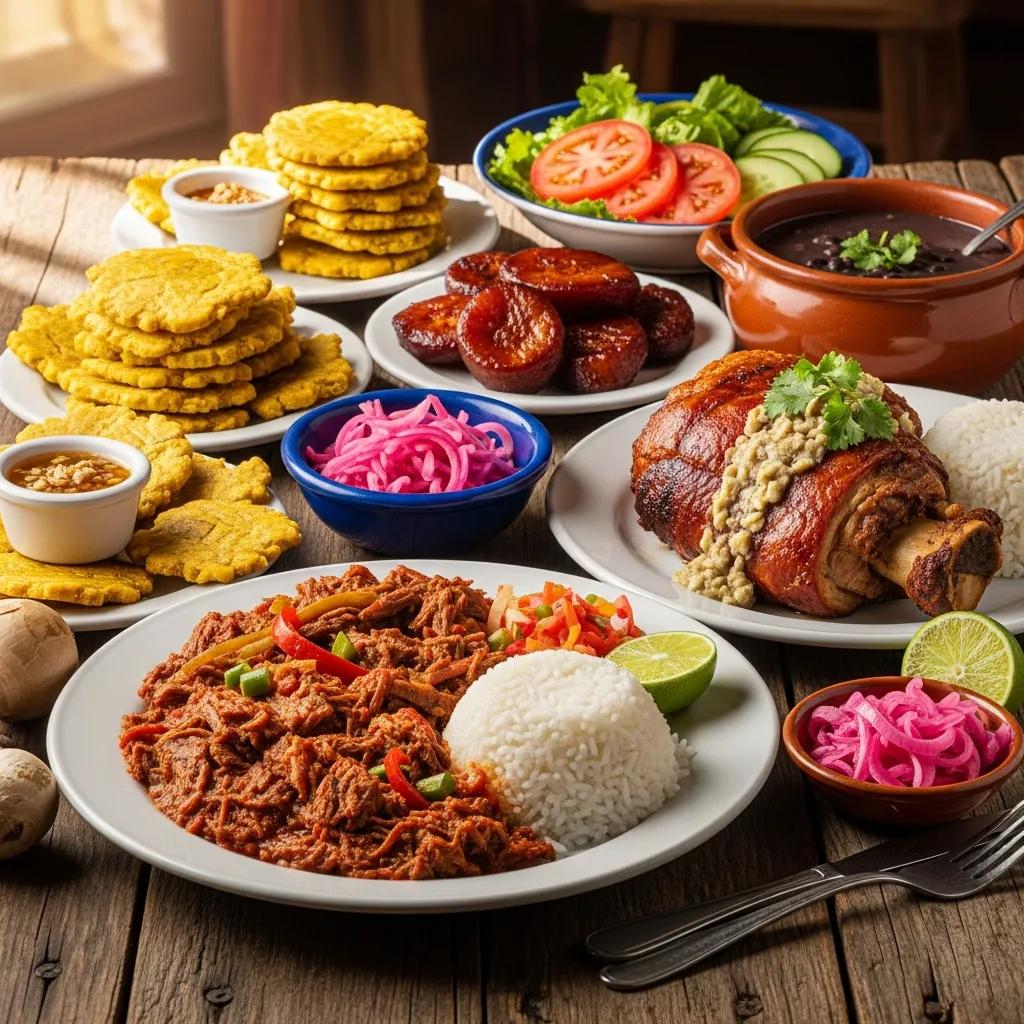
Signature Cuban mains lean on slow braises, citrus marinades and layered sweet‑and‑savory flavors. They’re built from simple, bold elements — shredded beef, roasted pork, tomato-forward sauces and garlic‑citrus mojo — and naturally pair with rice, beans and fried plantains. Knowing these dishes makes it easier to pick the right sides and drinks and explains why they appear at family dinners and celebrations. Below is a straight-to-the-point list of must-try Cuban mains with a quick note on what to expect.
Cuban essentials to try:
- Ropa Vieja: Tender shredded beef slow-braised in a tomato, pepper and onion sofrito — silky strands with a bright, savory‑tangy finish.
- Lechón Asado: Pork shoulder marinated in citrus and garlic, then slow-roasted until the exterior caramelizes and the interior stays juicy — a festival favorite.
- Picadillo a la Habanera: Ground beef simmered with tomatoes, olives and raisins for a lively sweet‑and‑salty contrast.
- Vaca Frita: Beef braised until tender, then seared for crispy edges and finished with citrus for brightness.
- Arroz con Pollo (regional favorite): Annatto‑tinted rice cooked with seasoned chicken — comforting, one‑pot home cooking.
- Tamal en Cazuela (casserole-style tamal): Cornmeal and pork baked together in coastal versions that highlight corn and savory pork notes.
- Seafood stews (local variants): Tomato- and citrus-forward broths with local fish or conch — common around island spots like Key West.
Signature mains at a glance: the table below compares top dishes by key ingredients and typical pairings to help you decide what to cook or order.
| Dish | Key ingredients & flavor profile | Typical serving / pairing suggestion |
|---|---|---|
| Ropa Vieja | Shredded flank or brisket, tomatoes, bell peppers, onions — savory, tangy, slightly sweet | Serve with white rice, black beans and fried plantains |
| Lechón Asado | Pork shoulder, mojo criollo (citrus, garlic, oregano) — roasted, aromatic | Pair with yuca con mojo, maduros and a crisp salad |
| Picadillo a la Habanera | Ground beef, tomatoes, green olives, raisins, capers — sweet‑salty umami | Best with white rice and plantain chips |
| Vaca Frita | Braised then fried beef with garlic and citrus finish — crunchy edges | Complements black beans and tostones |
What Makes Ropa Vieja Cuba's National Dish?
Ropa Vieja earned its place because slow braising turns humble cuts into buttery, shredded beef layered with bold aromatics. The name — “old clothes” — comes from the ragged, noodle‑like strands the meat becomes. Flank or brisket, crushed tomatoes, bell peppers, onions and garlic form the base, often brightened with a splash of citrus or vinegar. Low, slow simmering breaks down collagen and lets flavors marry, producing a moist, savory‑tangy stew that naturally wants rice, black beans and fried plantains on the side. It’s equally welcome at a weeknight table or a festive gathering.
How Is Lechón Asado Prepared for Cuban Celebrations?
Lechón Asado begins with a long soak in mojo criollo — sour orange (or a mix of orange and lime), lots of garlic, oregano and sometimes cumin — then it’s slow‑roasted until the skin caramelizes and the meat stays juicy. The citrus and herbs penetrate the pork during marination and roasting, giving an aromatic lift to the rich meat. At celebrations the whole roast often becomes the shared centerpiece, carved at the table and served with starchy sides like rice, yuca or maduros. The technique is as much about hospitality and ritual as it is about flavor.
Which Traditional Cuban Side Dishes Complement Main Courses?
Cuban sides bring texture and balance: plain rice or Moros y Cristianos steadies saucy mains, while fried plantains and yuca add sweet or crunchy contrasts. Sides are both flavor partners and cultural markers — tostones give a crisp, salty counterpoint, and maduros add caramelized sweetness to mellow richer meats. Some sides are quick on the stovetop; others need frying or a finishing mojo. The comparisons below make it easy to match sides to mains with intent.
- Tostones (twice-fried green plantains): Fried, smashed and refried for a crunchy, starchy base that stands up to sauces.
- Maduros (ripe fried plantains): Ripe slices fried until caramelized and tender — a sweet foil to savory pork and beef.
- Yuca con Mojo: Boiled cassava dressed in a garlicky, citrus mojo to cut richness with bright acidity.
- Moros y Cristianos: Black beans cooked with rice to create an earthy, savory starch that complements stews.
Sides at a glance: the table below maps preparation methods and pairing tips so ordering or cooking is straightforward.
| Side | Preparation method | Taste/texture + pairing tips |
|---|---|---|
| Tostones | Peel and slice green plantain, fry, smash, fry again | Crunchy, salty — ideal with seafood and saucy beef |
| Maduros | Slice ripe plantain and fry until caramelized | Sweet and tender — pairs especially well with pork |
| Yuca con Mojo | Boil cassava, dress in garlic-citrus sauce | Starchy and fibrous with a bright, garlicky finish |
| Moros y Cristianos | Simmer black beans with rice and spices together | Creamy, savory base for stews and roasted meats |
What Are the Key Ingredients and Preparation of Tostones and Maduros?
Both start with plantains but use different ripeness and technique for opposite results. Tostones use green plantains: peel, fry to soften, smash and fry again for a sturdy, crunchy chip that soaks up sauces. Maduros begin with fully ripe plantains, sliced and fried until browned and tender, delivering sweet, caramelized bites. Choose tostones when you want crunch that stands up to stew or salsa; choose maduros when a sweet contrast will round out rich pork or beef. That simple choice can change the whole plate.
How Do Yuca con Mojo and Moros y Cristianos Enhance Cuban Meals?
Yuca con Mojo pairs boiled cassava with a garlicky, citrusy sauce that cuts through rich mains with bright acidity and punchy garlic. Moros y Cristianos — black beans and rice cooked together — creates a unified, savory starch that soaks up sauces and comforts the plate. The two sides offer different textures: yuca’s fibrous bite versus Moros’s creamy grain‑and‑bean meld. Chefs often finish yuca with extra mojo or fresh herbs and serve portions family‑style to encourage sharing.
What Are the Essential Ingredients of Popular Cuban Sandwiches and Appetizers?

Cuban sandwiches and appetizers concentrate the cuisine’s flavors into handheld, shareable bites: crisp bread, melty cheese, bright pickles and savory proteins. The classic Cuban stacks roast pork, ham, Swiss, pickles and mustard on Cuban bread and is pressed until warm and crunchy. Appetizers like croquetas and empanadas offer fried, comforting bites with creamy or savory centers. Below are the core ingredients to look for and a short menu note to help you order authentically in Key West.
Core components that define a classic Cuban sandwich:
- Bread type and pressing technique: Soft, slightly sweet Cuban bread pressed to crisp the crust and warm the fillings.
- Protein layers: Roast pork and ham for a mix of roasted depth and salty snap.
- Cheese and condiments: Swiss for creaminess, plus mustard and dill pickles for bright acidity and crunch.
Menu note: Many Key West Cuban restaurants — especially family-run places — list these sandwiches and appetizers, making them an easy way to taste classic flavors.
Appetizer highlights: the short list below outlines common handheld starters and what to expect when you order them.
- Croquetas: Breaded cylinders with a silky, béchamel-like interior, often filled with ham or chicken.
- Empanadas: Turnovers filled with seasoned meats or cheeses in a flaky pastry.
- Cuban-style nachos: Tortilla chips topped with Cuban‑seasoned proteins, melted cheese and pickled accents — great for sharing.
What Defines the Classic Cuban Sandwich Ingredients?
The classic Cuban sandwich is all about balance: tender interior bread, layered proteins, melting Swiss and the snap of pickles and mustard. Cuban bread’s slightly sweet crumb presses well so the pork, ham and cheese meld into a single, satisfying bite. Roast pork brings depth, ham adds salt and smoke, Swiss gives creaminess, and pickles provide that necessary acidity. Variations exist — turkey instead of pork, different pickles or extra spices — but the essential architecture stays the same: bread, roast pork, cured meat, cheese and pickles pressed together.
Which Cuban Appetizers Like Cuban Nachos and Croquetas Are Must-Try Snacks?
Croquetas are beloved for their crisp exterior and silky, flavorful center (often ham, chicken or fish blended with a thick béchamel). Cuban‑style nachos remix familiar flavors with shredded roast pork or picadillo, melted cheese and pickled garnishes — ideal for sharing. Empanadas and fritters are common bar snacks and pair well with coffee or cocktails. When choosing appetizers, decide whether you want a crunchy starter (croquetas) or a saucy, shareable plate (nachos); that choice sets the tone for the meal.
How Do Cuban Desserts and Beverages Complete the Culinary Experience?

Cuban desserts and drinks round out a meal by offsetting savory mains with creamy custards, spiced rice puddings and bright, herb‑driven cocktails. Desserts like Flan Cubano and Arroz con Leche use pantry staples — milk, eggs and sugar — to create silky textures and warm spices, while mojitos and Café Cubano offer refreshing or intensely sweet finishes. A few simple recipes and serving cues help home cooks and diners spot authentic versions on menus. The quick descriptions below give practical steps to capture classic results.
Quick dessert and drink highlights:
- Flan Cubano: Silky caramel custard made with eggs and condensed milk, inverted so a glossy caramel sauce runs over the top.
- Arroz con Leche: Creamy rice pudding simmered with milk, cinnamon and citrus zest for a cozy, spiced finish.
- Mojito: Fresh mint, sugar, lime and light rum gently muddled and topped with soda for a bright, effervescent cocktail.
- Café Cubano: Strong espresso sweetened as it brews, with the first drops whipped into a creamy espuma that crowns the cup.
What Are the Traditional Recipes for Flan Cubano and Arroz con Leche?
Flan Cubano begins with a simple custard — eggs, condensed and evaporated milk, vanilla — poured over caramelized sugar and baked in a water bath until silk‑smooth, then chilled and inverted so caramel coats the surface. Gentle heat and proper chilling are the keys. Arroz con Leche simmers short‑grain rice in milk with a cinnamon stick and citrus peel until thick and creamy; sugar is added near the end and it’s served warm or chilled with a dusting of cinnamon. Both desserts show how low heat and time turn everyday ingredients into comforting finales.
How Are Iconic Cuban Drinks Like Mojitos and Café Cubano Made?
A classic mojito balances mint, sugar, lime and light rum gently muddled to release oils, then topped with soda water — the goal is fresh lime and aromatic mint to refresh the palate next to fried or fatty foods. Café Cubano is brewed very strong and sweetened during extraction: the first drops are mixed with sugar and whipped into an espuma that tops the cup, producing an intense, sweet espresso often enjoyed with a pastry or after a meal. Both drinks rely on simple technique — gentle muddling and careful sweetening — to reach their signature profiles.
How Does El Meson de Pepe Offer an Authentic Cuban Dining Experience in Key West?
El Meson de Pepe brings a true Cuban‑Conch experience to Mallory Square with family recipes, live salsa music and a setting tied to Key West’s Sunset Celebration. The menu highlights Ropa Vieja, Lechón Asado and Picadillo a la Habanera, while live music and warm, family‑style hospitality create a lively, communal atmosphere. As a family‑owned restaurant, the Díaz family’s recipes and hosting traditions shape both the food and the way guests are welcomed, offering diners more than a meal — a taste of local culture. For visitors near Mallory Square, El Meson de Pepe pairs traditional plates, live entertainment and private‑event options to connect food with place.
Private events at a glance: the table below outlines common event types and high-level menu and booking notes so planners can evaluate options quickly.
| Event Type | Menu option / capacity | Contact / booking note |
|---|---|---|
| Corporate gatherings | Buffet-style Cuban mains and sides — adaptable for larger groups | Inquire directly for customization and dates |
| Wedding receptions | Plated or family-style renditions of signature dishes | Private-event coordination available on request |
| Celebratory parties | Live-music-friendly setups with tapas and shared plates | Menu customization accommodates dietary needs |
| Small private dinners | Chef-selected tasting menus featuring family recipes | Reserve ahead for sunset seating in Mallory Square |
What Is the Díaz Family Heritage Behind El Meson de Pepe?
The Díaz family heritage is at the heart of El Meson de Pepe’s menu and hospitality. Recipes and techniques have been handed down through generations, so mains and appetizers reflect lived family practice — slow braises, mojo marinades and house‑made accompaniments. That provenance preserves ingredient pairings and serving traditions that define regional Cuban‑Conch identity. For guests, the family story adds context to each dish, turning a meal into a cultural exchange as much as a taste experience.
How Can You Host Private Events Featuring Authentic Cuban Cuisine?
El Meson de Pepe hosts a range of private events — from corporate buffets to wedding receptions — with flexible menu formats that showcase signature Cuban dishes and shared sides. Sample menus emphasize communal items like Lechón Asado, Ropa Vieja and platters of Moros y Cristianos and plantains; plated options are available for a more formal flow. The restaurant can accommodate dietary preferences and work with planners on capacity, dates and live‑music options like salsa bands to create an authentic, celebratory atmosphere. Contact the restaurant to discuss details and secure the best slot for sunset seating in Mallory Square.
For a true Key West Cuban experience, dine where family recipes, live salsa and Mallory Square proximity come together: El Meson de Pepe at 410 Wall Street, Mallory Square, Key West, FL 33040. Call 305-295-2620 to discuss reservations, menus and private events. Their menu features Ropa Vieja, Lechón Asado, classic sandwiches and desserts, and live music often joins the Sunset Celebration for an immersive evening. Planning a private party or just want to taste authentic Cuban‑Conch cuisine? A quick call is the easiest way to arrange a tailored visit.
Frequently Asked Questions
What are some common ingredients used in Cuban cuisine?
Cuban cooking leans on staples that reflect its blended heritage: rice, beans and plantains, plus meats like pork, beef and chicken. Garlic, cumin and oregano are common aromatics, while citrus — especially sour orange and lime — brightens marinades and sauces. Olives, capers and peppers also appear in many recipes, adding briny or spicy notes that shape signature dishes.
How can I find authentic Cuban restaurants outside of Cuba?
Look for places that highlight traditional recipes and long‑standing techniques. Check local food guides, review sites and social media for photos and firsthand reviews that point to authenticity. Family‑owned restaurants are often reliable choices. You can also ask local Cuban communities for recommendations to find neighborhood favorites.
What is the significance of family in Cuban dining culture?
Family is central: meals are communal moments meant for sharing and connection. Recipes are passed down through generations, and celebrations usually feature large platters to gather around. This focus on togetherness shapes both the food and the dining experience, making hospitality and storytelling as important as the dishes themselves.
Are there vegetarian options in traditional Cuban cuisine?
Yes. While meat plays a big role, Cuban food includes vegetarian-friendly dishes such as Moros y Cristianos (black beans and rice), yuca con mojo and vegetable stews. Fried plantains — tostones and maduros — are also vegetarian staples. Many restaurants now offer plant-based takes on classics, making it easier for vegetarians to enjoy authentic flavors.
What are some popular Cuban beverages to try?
Iconic choices include the mojito — mint, lime, sugar and light rum — and Café Cubano, a strong, sweetened espresso. Fresh fruit juices like guava or passion fruit are also popular. These drinks refresh the palate or offer a sweet finish alongside Cuban food.
How do Cuban desserts differ from other Latin American desserts?
Cuban sweets often emphasize comforting, simple preparations that highlight dairy, eggs and sugar. Flan Cubano and Arroz con Leche are classic examples: creamy, gently spiced and homey. While other Latin American desserts may lean more on chocolate or tropical fruits, Cuban desserts favor custards and puddings that feel familiar and comforting.
Conclusion
Exploring Cuban cuisine reveals a warm, communal food tradition built on bold flavors and family recipes. From Ropa Vieja and Lechón Asado to Flan Cubano, each dish tells a story of place and people. With a little knowledge of ingredients and pairings you can recreate these dishes at home or seek out authentic versions at family‑run restaurants. For the full Key West Cuban‑Conch experience, visit a local, family‑owned spot and taste the tradition firsthand.
