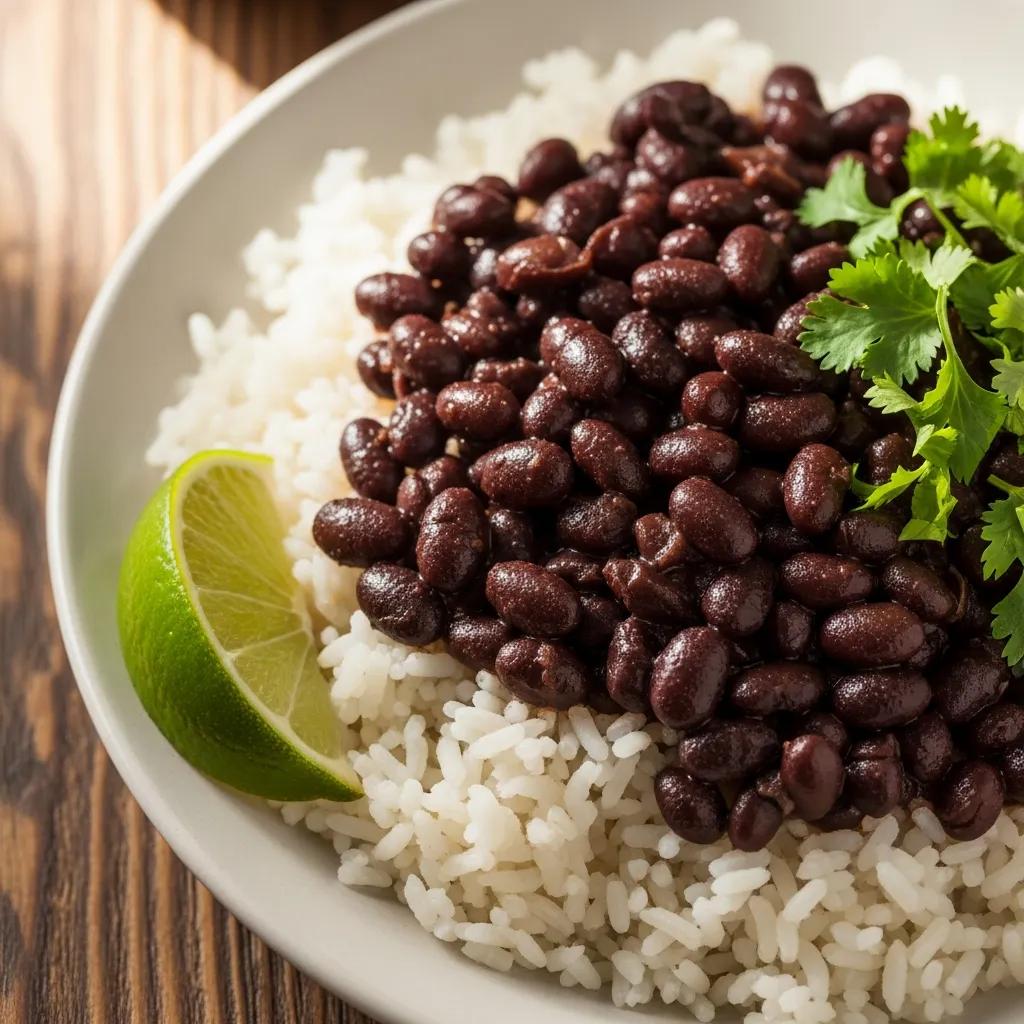
The Ultimate Cuban Rice and Beans Recipe to Try Today
Authentic Cuban Rice & Beans — A Recipe You’ll Want to Make Tonight

Cuban rice and beans is a simple, comforting dish that pairs well-seasoned black beans with fluffy white rice for bold, balanced flavor and everyday satisfaction. This guide walks you step by step through making authentic Cuban black beans and rice, explains the traditions behind names like Moros y Cristianos and Arroz con Frijoles, and shares chef-level tips from Chef Pepe Diaz. If you’ve ever ended up with underseasoned beans, gummy rice, or a missing bright finish, this article fixes those problems with clear method choices, ingredient advice, and serving ideas. You’ll learn how to choose ingredients, why sofrito matters, the two main cooking approaches (separate vs. combined), and practical tricks for creamy beans and restaurant-quality plating. Ahead: cultural background, an ingredient comparison, detailed recipes and method notes, Chef Pepe Diaz’s kitchen tips, pairing suggestions, and where to enjoy this plate at El Meson de Pepe in Key West.
Why Cuban Rice and Beans Is a Kitchen Staple

This dish became essential because it turns a few pantry staples into a nourishing, flavorful meal that works any day of the week — from a quiet dinner to a big family gathering. Beans supply plant-based protein and fiber while rice provides the comforting base; aromatics and spices marry the two into a cohesive, hearty plate that adapts to what’s available. Its staying power comes from affordability, ways families extended ingredients in the past, and regional tweaks that reflect local produce and immigrant influences. Knowing that history helps explain why this recipe lives on in homes and at celebrations, and it sets up the naming and method differences we cover next.
Cuban rice and beans endures for three simple reasons:
- Community and tradition: It appears at everyday meals and special occasions alike.
- Nutrition: Together, beans and rice give balanced protein, fiber, and energy.
- Flexibility: The dish changes easily based on the beans, seasonings, and cooking method you choose.
Those qualities lead naturally into the common variations and the choices cooks face when picking a method.
Arroz con Frijoles, Moros y Cristianos, or Congri — What’s the Difference?
These names are closely related but refer to different approaches rather than completely separate recipes. Arroz con Frijoles usually means beans and rice are cooked separately and served together so each stays seasoned and textured on its own. Moros y Cristianos means rice is cooked with black beans and their cooking liquid so the rice soaks up color and flavor, creating a marbled, unified dish. Congri is often used like Moros y Cristianos in Cuba, though in parts of the Caribbean it can mean rice cooked with red kidney beans instead of black beans. The name shifts often reflect bean choice or local custom.
These naming traditions shape how you cook: use the separate method if you want distinct textures, or the combined method when you want that fused, deeply flavored rice-and-beans result. We’ll lay out both approaches in the recipes ahead.
How This Dish Reflects Cuban and Key West Heritage
Cuban rice and beans tells a story of migration, resilience, and flavor memory — especially where Cuban and Conch cultures meet in places like Key West. Immigrant families kept flavors alive through sofrito, preserved spices, and communal meals, making dishes like Potaje De Frijoles Negros everyday comfort food. In Key West, those traditions mix with local seafood, tourist tastes, and lively music, so classic Cuban plates anchor cultural identity and draw visitors. Appreciating that background helps you respect techniques while adapting to what you have in your pantry.
Knowing the dish’s roots will guide your ingredient choices and how you present the final plate, which is central to the ingredient section below.
Which Ingredients Define Authentic Cuban Black Beans and Rice?
Authentic Cuban black beans and rice rely on a short list of ingredients where technique matters as much as raw materials: dried black beans (or well-rinsed canned beans), long-grain white rice for the right texture, a classic sofrito of onion, green pepper, and garlic, plus supporting spices like cumin, oregano, and bay leaf. Each item has a role: beans provide body and flavor, rice gives structure and mouthfeel, sofrito is the aromatic backbone, and a final splash of acid brightens everything. Oil choice and a finishing squeeze of citrus or vinegar tune mouthfeel, and deciding when to mash beans or reserve bean liquid changes creaminess.
Intro to ingredient comparison table: the chart below clarifies common options and practical trade-offs for cooks balancing convenience and authenticity.
| Ingredient | Characteristic | Typical Choice |
|---|---|---|
| Black Beans | Source and texture | Dried (best depth) or Canned (time-saver) |
| Rice | Grain and outcome | Long-grain white for separate, fluffy grains |
| Sofrito Components | Aromatic base | Onion, green pepper, garlic — finely chopped |
| Spices & Herbs | Flavor roles | Cumin (earthy), Oregano (herbal), Bay leaf (aromatic) |
This table highlights choices that shape texture and flavor; next we dig into sofrito and how to balance spices in practice.
Why Sofrito Is the Heart of the Dish
Sofrito is the aromatic foundation that flavors both beans and rice. Classic sofrito sweats finely chopped onion, green pepper, and garlic slowly in oil until they soften and sweeten, releasing fragrant compounds that blend with spices. When making beans, you build sofrito first so it coats the pot and marries with bay leaf and cumin before liquid and beans go in. For combined rice-and-beans methods, sofrito flavors the rice from the start so every grain picks up aromatics. Small tweaks — a touch of tomato, ajies, or fresh cilantro — are common and won’t change the sofrito’s purpose.
The timing and texture of your sofrito also influence whether you finish with acid or add a bit of oil for richness, which brings us to how spices shape the final plate.
How Cumin, Oregano, and Bay Leaf Work Together
Cumin, oregano, and bay leaf each play a supporting role: cumin brings warm earthiness, oregano adds herbal depth, and bay leaf lends a subtle, savory perfume during simmering. Add cumin early in the sofrito but sparingly to avoid bitterness; add oregano later so its oils infuse slowly; and drop the bay leaf in with the cooking liquid so it seasons without overpowering. If you need swaps, try a pinch of smoked paprika for added depth or dried thyme for oregano — but keep proportions light to avoid muddiness.
Balancing these spices guides the step-by-step recipes below, where timing and liquid control determine texture and flavor.
How to Prepare Classic Cuban Rice and Beans
There are two main approaches: the separate method (Arroz con Frijoles), where beans and rice are cooked and seasoned separately, and the combined method (Moros y Cristianos/Congri), where rice cooks with beans and their broth so flavors meld. Both start the same way — sofrito, layered spices, careful liquid control — but they differ in timing, ratios, and the final texture you want. For home cooks, the separate method offers control and a canned-bean shortcut; the combined method gives the deepest, most integrated flavor when you use pre-cooked beans and their broth. The table below helps you decide which to use.
| Preparation | Cook Method | Typical Outcome |
|---|---|---|
| Arroz con Frijoles | Cook beans and rice separately | Separate textures, flexible seasoning |
| Moros y Cristianos | Rice cooked with beans/broth together | Unified flavor, colored rice |
| Congri | Regional variant often with red beans | Like Moros, but with different bean choice |
That comparison should make method choice easier; the numbered recipes below give practical, easy-to-follow steps for each approach.
Easy Arroz con Frijoles (Separate Method)
This straightforward method yields creamy black beans and fluffy rice — perfect for weeknights, and friendly to a canned-bean shortcut. Start by making a flavorful sofrito: heat 1 tablespoon oil, then sauté 1 diced onion, 1 diced green pepper, 3 minced garlic cloves, and 1 teaspoon ground cumin until softened. Add rinsed canned black beans plus 1/2 cup reserved can liquid or low-sodium stock and a bay leaf; simmer 10–15 minutes and finish with a splash of vinegar or a squeeze of citrus, then adjust salt. For the rice: rinse 1 cup long-grain white rice until water runs clear, then cook with 1.5–1.75 cups water and a pinch of salt until absorbed; rest covered 10 minutes and fluff with a fork. Serve beans beside the rice or spooned over the top — the separate method keeps textures distinct and lets you tweak seasonings at the end.
When you’re comfortable with this, try the combined method next to meld flavors even more.
Moros y Cristianos / Congri (Rice and Beans Together)
Success with the combined method starts with pre-cooked beans and their reserved cooking liquid — that broth is the rice’s flavor carrier. Build your sofrito in oil, add the cooked beans and a measured amount of reserved bean liquid (roughly 2 parts liquid to 1 part rice, adjusted for solids), then stir in rice, cumin, oregano, and a bay leaf so every grain is coated in aromatics. Bring to a simmer, lower the heat, cover, and cook until rice has absorbed the liquid and is tender; let it rest 10 minutes before gently forking to separate grains. If rice is undercooked, add a splash more liquid and finish on low; if it’s too wet, cook briefly uncovered. Precise liquid control is the key to repeating this method reliably.
Once you’ve mastered both approaches, Chef Pepe Diaz’s tips will help you push textures and flavors toward restaurant quality — and we’ll explain how El Meson de Pepe serves these dishes next.
Chef Pepe Diaz’s Top Tips for Perfect Rice and Beans

Chef Pepe Diaz lives by three simple rules for restaurant-quality Cuban rice and beans: layer your aromatics, mind the liquid, and finish bright. He recommends sweating a deep sofrito slowly, reserving bean broth to dial in rice texture, and finishing beans with a splash of acid and a drizzle of neutral oil to add shine and mouthfeel. For fluffy rice: rinse well, use the right rice-to-liquid ratio, and let it rest covered so steam finishes the job. For creamy beans: skim foam, simmer gently, and mash a portion to thicken naturally without adding starch. These small sequences turn everyday pantry ingredients into a memorable plate.
Chef tips in practice:
- Layer aromatics: Build depth by starting with a slow, well-cooked sofrito.
- Control liquid: Keep and measure bean broth to manage rice texture and bean consistency.
- Finish with acid and oil: Brighten the pot at the end — don’t over-season too early.
These techniques connect home cooks to the restaurant experience, where tradition, atmosphere, and attention to detail make the dish sing. El Meson de Pepe — a family-run restaurant founded by Chef Pepe Diaz — brings those flavors to life in Old Town Key West, near Mallory Square, with live salsa music and Gulf views. The menu highlights dishes like Potaje De Frijoles Negros and Arroz Blanco o Amarillo, and the bar pours signature cocktails like the Meson Mojito and Caipirinha. The restaurant also handles private events.
With these chef tips in your toolkit, move on to the section on creamy beans and common mistakes to avoid.
How to Make Creamy Cuban Black Beans from Scratch
Creamy beans come from soaking or a long, gentle simmer, a bit of mashing, and finishing that preserves brightness. If using dried beans, soak overnight (or quick-soak), then simmer with aromatics and a bay leaf until tender. With canned beans, rinse and simmer briefly with sofrito to soak up flavor. Remove about a cup of beans, mash lightly to release starch, then stir the mashed beans back in and adjust consistency with reserved cooking liquid. Finish with a splash of vinegar or lime and a small drizzle of oil to round the mouthfeel and lift aroma before serving.
Common Mistakes and How to Avoid Them
Avoid these frequent errors: salting too early (it concentrates as the pot reduces), failing to reserve bean liquid (leading to dry or gummy rice), and adding acid too soon (which can toughen bean skins). Season gradually, save and measure cooking liquid, and add acid at the end to brighten flavors. Also, don’t rush your sofrito and avoid high heat when cooking rice — patience and steady, measured heat are vital.
Fixing these mistakes ties back to method and ingredient choices, and readies you for serving with complementary sides and drinks.
Best Serving Suggestions and Pairings
Cuban rice and beans pairs beautifully with classic sides that balance texture and flavor: sweet fried plantains, roast pork or pernil for richness, crisp pickled onions for acidity, and fresh cilantro or lime for brightness. For a weeknight meal, serve with quick fried plantains and a lime wedge. For events, offer roasted pork, tostones, or salads for variety. Drinks such as mint-forward mojitos or citrusy caipirinhas cut richness and enhance the tropical feeling — especially outdoors at sunset. The table below maps pairings to occasions to help you plan presentations.
| Pairing | Taste/Function | Best Occasion |
|---|---|---|
| Plantains (Maduros/Tostones) | Sweet or crunchy contrast | Family dinners, casual plates |
| Roasted Pork (Pernil) | Umami-rich complement | Celebratory meals, buffets |
| Meson Mojito / Caipirinha | Acid and mint to cut richness | Patio dining, sunset service |
Classic plating tips:
- Spoon a generous helping of beans over rice and add a side of fried plantains for contrast.
- Garnish with chopped cilantro and a lime wedge for freshness and color.
- For events, serve family-style platters with roasted pork or tostones so guests can build their plates.
These pairing ideas work for weeknight dinners, gatherings, and catered events, and reflect how El Meson de Pepe adapts the dish for dining and catering.
Which Sides Pair Best — Plantains and Roasted Pork
Plantains bring sweet or starchy balance to savory rice and beans: maduros (ripe and sweet) temper salty richness, while tostones (twice-fried green plantains) add a crunchy contrast. Roasted pork brings caramelized, savory depth that pairs nicely with the beans’ acidity and brightness. Pickled onions or a citrus slaw add a sharp counterpoint, and fresh herbs lift every bite. These combos preserve contrast in texture and layered flavors — essential when planning family meals or events.
Knowing these sides helps you choose drinks and fine-tune plating; see the cocktail notes below.
Why the Meson Mojito and Other Cocktails Work Here
The Meson Mojito and a Caipirinha pair naturally with Cuban rice and beans: citrus and herb notes cut through richness and refresh the palate. Mint and lime in a mojito add aromatic lift that balances savory spices; a caipirinha’s citrus-sugar profile complements plantain sweetness and roasted pork caramelization. Serve these cocktails chilled and slightly tart to sharpen contrast and encourage relaxed, convivial dining, especially outdoors with sea breezes. Light, citrus-forward drinks keep the meal balanced and welcoming for mixed groups.
These serving and pairing suggestions set the scene for enjoying the dish in its cultural setting, which local restaurants like El Meson de Pepe deliver.
Where to Enjoy Cuban Rice and Beans at El Meson de Pepe in Key West
At El Meson de Pepe you can taste Cuban rice and beans in a family-run Key West setting where music, maritime views, and traditional cooking come together. Founded by Chef Pepe Diaz and his family, the restaurant sits in Old Town Key West near Mallory Square and focuses on authentic Cuban flavors with dishes like Potaje De Frijoles Negros and Arroz Blanco o Amarillo. Expect live salsa music, Gulf views, classic sides like tostones, and signature cocktails such as the Meson Mojito and Caipirinha. The team also takes private event inquiries for celebrations that want Cuban flavors with coastal ambiance.
What Makes El Meson de Pepe’s Version Special?
El Meson de Pepe’s rice and beans reflect family roots and Chef Pepe Diaz’s culinary tradition, served in a setting that links food to community. The Old Town Key West location near Mallory Square adds scenic and musical atmosphere, where live salsa and Gulf views enhance the meal. Menu favorites like Potaje De Frijoles Negros and Arroz Blanco o Amarillo show classic profiles made with care for technique. That blend of flavor, family history, and place gives diners a true taste of cultural continuity alongside the home-cooking methods you’ve learned here.
These qualities make the restaurant an ideal place to sample professional interpretations of the recipes in this guide, and they feed into the catering options described next.
Catering Cuban Rice and Beans for Your Private Event
Cuban rice and beans scale well for private events: the dish is crowd-pleasing, easily adapted for vegetarian or meat menus, and straightforward to portion for buffets or plated service. Its scalability comes from large-pot techniques — cook with careful liquid control and finish close to service to maintain quality. Suggested event pairings include plantain sides, roasted pork platters, and signature cocktails like the Meson Mojito for a cohesive Cuban-themed menu that suits mixed-diet groups. To arrange catering or private events, contact the restaurant to discuss menus and logistics.
That completes the practical path from culture and ingredients to technique, pairings, and ways to enjoy Cuban rice and beans at home or in Key West.
Frequently Asked Questions
What is the history behind Cuban rice and beans?
Cuban rice and beans come from a long history of cultural exchange on the island — Spanish, African, and Taíno influences all contributed. The dish became a staple because it was affordable, filling, and nutritious, combining beans’ protein with rice’s energy. Over time it grew into a symbol of home cooking and identity, showing up at family meals and celebrations. Variants like Moros y Cristianos and Congri reflect regional tastes and the creativity of Cuban cooks.
Can I make Cuban rice and beans vegetarian or vegan?
Yes — the dish is naturally plant-based at its core. Use vegetable broth instead of chicken stock and skip any meat additions. The base of black beans, rice, and sofrito still delivers rich flavor; you can boost it with extra vegetables or spices like bell pepper, carrot, or smoked paprika.
What are some common variations of Cuban rice and beans?
Common variations include Arroz con Frijoles (separate beans and rice) and Moros y Cristianos (rice cooked with beans and their broth). Congri is similar but often uses red kidney beans. Each version offers a different texture and flavor emphasis depending on bean choice and cooking method.
How can I store leftovers of Cuban rice and beans?
Store leftovers in an airtight container in the refrigerator for 3–5 days. For best texture, keep rice and beans separate if possible. Reheat gently with a splash of water or broth to prevent drying. You can freeze the dish for up to 3 months — cool completely first and reheat thoroughly before serving.
What are some tips for perfecting the texture of rice and beans?
Focus on method and liquid ratios. Rinse rice well to remove excess starch and use roughly 1 to 1.5–2 parts liquid to rice depending on the grain and desired texture; let rice rest covered after cooking so steam finishes it. For beans, simmer gently and mash a portion to thicken naturally. Those simple steps will improve both components.
What are some traditional drinks to pair with Cuban rice and beans?
Mojitos and caipirinhas are classic matches — their citrus and mint cut through savory richness. A Cuba Libre or a light rum cocktail also works. For nonalcoholic options, try limeade or tropical fruit juices. These drinks balance the meal and add to the overall, relaxed experience.
Final Notes
Learning authentic Cuban rice and beans connects you to a living culinary tradition and gives you a versatile, satisfying recipe to serve any night. With the right ingredients, patient technique, and a few finishing touches, you can make a dish that’s both comforting and celebratory. Bring a little of Cuba into your kitchen — and when you want to taste a professional take, visit us at El Meson de Pepe in Key West.
