Unlock Authentic Cuban Recipes at Home
Unlock Authentic Cuban Recipes at Home: Master Traditional Cuban Cooking with Easy, Best Recipes

Authentic Cuban cooking is defined by layered aromatics, bright citrus notes, and simple techniques that transform everyday ingredients into memorable meals. This guide is for home cooks, travelers craving true Cuban flavors, and hosts planning Cuban-themed gatherings who want practical, authentic recipes and techniques. You will learn pantry essentials, step-by-step main-dish recipes (including an authentic ropa vieja recipe), classic side dishes and snacks, core techniques like making sofrito and mojo, and desserts and drinks that finish a Cuban meal with flair. The article balances clear how-to steps with chef tips and comparisons so you can reproduce traditional textures and flavors in a regular kitchen. Each section includes quick-reference lists and tables to help you source ingredients, adapt recipes for local markets, and present dishes like a pro.
What Are the Essential Ingredients for Authentic Cuban Recipes?
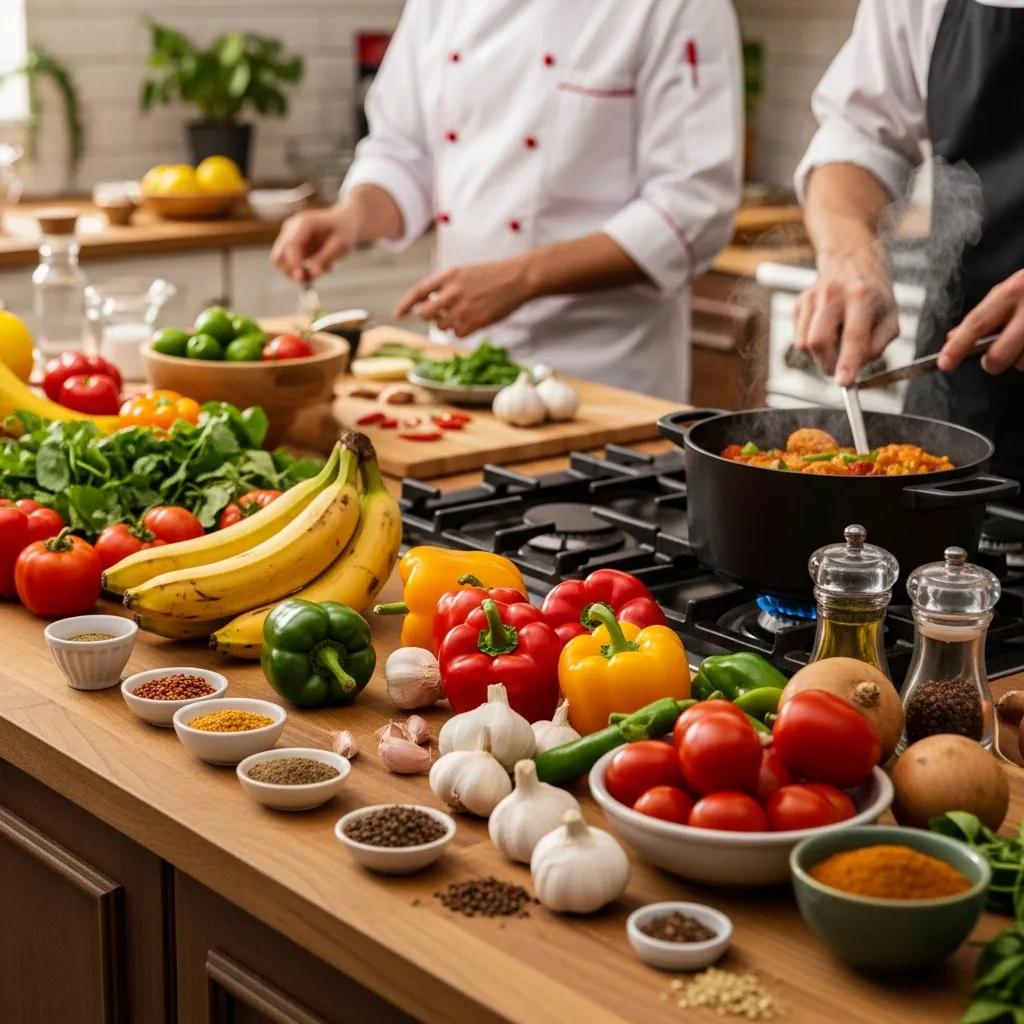
Essential ingredients form the foundation of Cuban cuisine by contributing aroma, acidity, and savory depth. Sofrito—a cooked blend of onions, green bell pepper, garlic, and tomato—is the aromatic base that seasons beans, rice, and stews; citrus (traditionally sour orange) supplies the bright acidity used in marinades and mojo; cumin, oregano, and bay leaves add warmth and backbone; plantains, yuca, rice, black beans, pork, and beef serve as the core starches and proteins. Understanding each ingredient’s role makes substitution and sourcing decisions simpler for cooks outside Cuba, and it ensures authentic Cuban recipes retain their intended balance. The next subsection breaks down key ingredients and sensory cues so you can recognize and use them correctly when cooking.
Sofrito, citrus, and staple starches work together to create the signature Cuban palate, and knowing where to find or substitute these items helps when shopping locally.
Which Key Ingredients Define Traditional Cuban Cuisine?
Sofrito is a lightly sautéed mix of onions, green bell peppers, garlic, and tomatoes; it smells sweet and roasted and functions as the foundational flavor layer in many Cuban dishes. Sour orange or its substitute (a mix of orange and lime) gives mojo and marinades a bright, tangy backbone that tenderizes proteins and lifts heavy stews. Cumin and oregano provide warm, earthy notes while bay leaves add subtle, herbal depth during long simmering. Plantains (green for tostones, ripe for maduros) contribute starch and sweetness depending on ripeness, and yuca brings dense, slightly nutty starchiness often paired with a garlicky mojo. Recognizing these flavor profiles helps you assemble authentic Cuban recipes and maintain balance when substituting ingredients.
These primary ingredients create a consistent flavor architecture that leads naturally into sourcing and substitutions for home cooks.
How to Source and Substitute Cuban Ingredients at Home?
Sourcing authentic ingredients can be straightforward with local Latin markets, specialty grocers, or online suppliers for items like canned sour orange or culantro. When sour orange is unavailable, combine equal parts fresh orange juice and lime juice to approximate the tartness and floral notes; culantro can be substituted with a mix of cilantro and a small amount of cilantro stems, or a mild spin of finely minced parsley for color. For annatto (achiote) oil, steep annatto seeds in warm oil to extract color and a subtle nutty flavor; saffron may be replaced with a pinch of turmeric plus annatto for color if saffron is inaccessible. Store fresh aromatics wrapped in paper towels in a breathable bag in the refrigerator to preserve aroma, and freeze sofrito in ice-cube trays for quick flavor boosts. Practical substitutions preserve authenticity while adapting to regional availability.
Knowing reliable substitutes and storage tricks reduces last-minute compromises and prepares you to move smoothly into preparing classic Cuban mains.
Introductory table: core ingredients compared by role and availability.
This table compares the most essential Cuban pantry and fresh items, explains their role in recipes, and offers substitution advice for cooks sourcing them in Key West or similar coastal markets.
| Ingredient | Role in Cuban Dishes | Substitution / Availability Notes |
|---|---|---|
| Sofrito (onion, green pepper, garlic, tomato) | Aromatic base that flavors beans, rice, stews | Make in batches; freeze in cubes; green bell pepper substitutes with roasted poblano if needed |
| Sour orange (naranja agria) | Acid in marinades and mojo; tenderizer | Mix fresh orange + lime juice 1:1 when sour orange is unavailable |
| Annatto (achiote) | Color and mild earthy note for oils and rice | Infuse seeds in oil or use paprika + turmeric for color |
| Plantains (green/ripe) | Starch for tostones (green) or maduros (ripe) | Green banana for tostones only if plantains unavailable; texture differs |
| Yuca | Dense starchy side, paired with mojo | Cassava sold fresh or frozen; boil until tender and drain |
This quick comparison helps you prioritize purchases and make on-the-fly substitutions without losing the structural flavors of traditional Cuban cooking.
How to Prepare Classic Cuban Main Dishes at Home?

Classic Cuban mains rely on simple techniques—searing, braising, layering sofrito—and generous simmering to develop depth. Core dishes like ropa vieja, picadillo, and arroz con pollo begin with a sofrito base and progress through specific protein treatments (shredding beef, grounding beef, braising chicken and rice). Proper timing, searing for flavor, and balancing acidity with aromatics result in authentic Cuban recipes that perform well at home. The following subsections provide complete, actionable recipes with prep times, yields, and chef tips that preserve the traditional flavor profile. After mastering these steps you can scale for guests or adapt for leaner proteins while keeping the signature Cuban taste.
A comparison table below summarizes key ingredients, techniques, and timing for these main dishes so you can choose which to prepare based on time and equipment.
| Dish | Key Ingredient / Technique | Time, Tips & Restaurant Variation |
|---|---|---|
| Ropa Vieja | Shredded flank/skirt steak braised with sofrito and tomatoes | Braise 2–3 hours until tender; shred and simmer in sauce; restaurant variation: slightly reduced tomato for a more savory plate |
| Picadillo | Ground beef sautéed with sofrito, raisins/olives optional | Cook 25–35 minutes; balance sweet-savory with raisins and brine of olives; tip: brown beef well for depth |
| Arroz con Pollo | Bone-in chicken browned then simmered with rice and sofrito | One-pot method ~45–60 minutes; layer flavors rather than stirring continuously; restaurant variation: saffron or annatto for color |
This compact comparison clarifies technique differences and helps cooks select dishes that match their available time and desired flavor profile.
What Is the Authentic Ropa Vieja Recipe?
Ropa vieja is thinly shredded beef simmered in a tomato-sofrito sauce until savory and tender, creating a dish ideal for serving over white rice and black beans. Start by searing a well-seasoned flank or skirt steak until browned, then braise it with bay leaves, sliced onions, garlic, and a robust sofrito blended with crushed tomatoes; cook gently until the meat shreds easily, remove and shred, then return to the sauce to finish. Key chef tips include browning the meat for Maillard flavor, using a 2:1 ratio of searing to low simmer time for tenderness, and adjusting acidity with a splash of citrus or vinegar. Serve ropa vieja with steamed white rice, fried plantains, and black beans for a classic plate that showcases layered Cuban flavor.
These preparation steps lead naturally into compact recipes for picadillo and arroz con pollo, which use similar flavor-building strategies but differ in timing and final texture.
How to Make Traditional Picadillo and Arroz con Pollo?
Picadillo balances savory ground beef with sweet notes from raisins and briny olives when used, all built on a base of sofrito and tomato; brown the beef thoroughly, add sofrito, tomatoes, cumin, and a modest amount of sugar if desired, then simmer 25–35 minutes for flavor melding. Arroz con pollo layers browned chicken and aromatics with rice and broth; brown chicken first, remove, sweat the sofrito, return chicken and add rice and stock in the proper rice-to-liquid ratio (typically 1:2), then cook undisturbed until rice is tender—avoid excessive stirring to keep rice texture clean. Both dishes scale well: increase liquids proportionally and adjust simmer times for larger batches. These techniques emphasize how controlled browning and patient simmering produce authentic Cuban recipes at home.
For those who prefer tasting a chef’s version rather than cooking from scratch, El Meson de Pepe offers an opportunity to experience these dishes in person and to explore menu variations and event options through the restaurant’s online presence and local listings.
What Are Popular Cuban Side Dishes and Snacks to Complement Meals?
Cuban side dishes provide textural contrast and reinforce the main dishes’ flavors through complementary seasoning and acidity. Black beans and congri supply earthy, savory bases; tostones deliver crisp, savory crunch while maduros add a sweet, caramelized counterpoint; yuca con mojo offers dense starch with bright, garlicky citrus dressing. Understanding the textural goals—creamy beans, fluffy rice, crunchy tostones, soft maduros—guides cook choices and oil/temperature control. The following subsections include stepwise methods for black beans and congri and practical frying and dressing techniques for plantain and yuca preparations, helping you assemble balanced, authentic plates at home.
A quick pairing list helps match sides to mains for cohesive meals.
This list shows ideal side pairings so you can compose balanced plates quickly.
- Ropa Vieja: White rice, black beans, maduros.
- Picadillo: White rice, congri, tostones.
- Arroz con Pollo: Simple green salad, yuca con mojo, fried plantains.
Matching textures and acidity ensures each bite complements the main dish and prepares the palate for dessert.
How to Cook Cuban Black Beans and Congrí?
Black beans rely on a sofrito base, gentle simmering, and careful seasoning to reach the silky, savory consistency prized in Cuban cuisine. Start with soaked beans (or use a pressure cooker for speed), cook with onion, garlic, bay leaf, and a measured sofrito, then simmer until the beans are tender and the broth slightly thickened; mash a few beans against the pot for body and return them to integrate texture. For congri (rice and beans cooked together), brown aromatics, add soaked beans briefly, then add rice and stock and simmer until rice is tender—timing will vary based on rice type; use a 1:2 rice-to-liquid ratio as a starting point. Proper seasoning and finishing with a splash of citrus or a touch of vinegar can brighten the finished beans. These techniques yield authentic Cuban recipes for beans that pair well with the mains previously discussed.
A short tips list summarizes bean-cooking best practices.
- Use aromatics and bay leaf for depth.
- Mash some cooked beans for creaminess.
- Adjust salt late in cooking to avoid toughening beans.
These practical tips prevent common pitfalls and help recreate that classic Cuban bean texture.
What Are Easy Recipes for Tostones, Maduros, and Yuca con Mojo?
Twice-fried tostones need firm green plantains peeled and sliced, fried briefly, smashed, then fried again at higher heat to achieve crisp edges with a tender interior; maintain oil at 350–375°F and work in small batches to control temperature. Maduros use ripe plantains sliced and fried once until edges caramelize and centers are soft and sweet; choose plantains with mostly black skins for best sweetness. For yuca con mojo, boil peeled yuca until fork-tender, then toss with a mojo made by gently sautéing lots of garlic in olive oil and finishing with sour orange or lime juice and chopped cilantro or parsley. Safety tip: monitor oil heat and use a spider or slotted spoon for frying to minimize splatter. These snack and side preparations round out Cuban meals and pair perfectly with the main dishes described earlier.
A short frying checklist helps home cooks manage oil and timing.
- Maintain steady oil temperature; don’t overcrowd the pan.
- Use neutral oil with a high smoke point for frying.
- Drain and season immediately after frying for best texture.
These checks keep results crisp and flavorful while reducing common home-frying issues.
How to Master Cuban Cooking Techniques for Authentic Flavors?
Mastering techniques—building sofrito, making mojo, braising, frying, and marinating—ensures authentic flavor rather than relying solely on ingredients. Sofrito creates the foundational aromatic layer that infuses beans, rice, and meats; mojo adds citrus and garlic brightness that balances richness; braising develops tender, shreddable proteins through low, moist heat; frying achieves textural contrast for plantains and yuca. Each method has specific tools, timing, and troubleshooting tips that directly affect final taste and texture. The subsections below provide ratios, tool recommendations, and quick fixes so you can reproduce authentic results reliably, and the EAV table distills technique-to-tool relationships for fast reference.
The following table maps essential techniques to tools and chef-tested tips for reproducible outcomes.
| Technique | Typical Tools | Key Tips |
|---|---|---|
| Building Sofrito | Large sauté pan, blender or knife, wooden spoon | Sweat aromatics gently; blend for smoothness or chop for texture; cool and freeze for later use |
| Braising Meats | Heavy Dutch oven, oven-safe lid, tongs | Sear first for flavor; low oven 300–325°F or stovetop low simmer until probe-tender |
| Frying Plantains | Heavy skillet or fryer, thermometer, spider | Maintain 350–375°F; fry twice for tostones; drain and season immediately |
This technique guide condenses equipment and procedural tips to help home cooks reproduce professional results in familiar kitchens.
What Are the Secrets to Making Cuban Sofrito and Mojo Sauces?
Sofrito's success depends on proportions and heat control: roughly 2 parts onion to 1 part green pepper and generous garlic, cooked slowly until softened and aromatic but not browned; finish with a small amount of tomato or tomato paste for sweetness and body. Mojo is primarily citrus and garlic—use sour orange when available, or combine orange and lime in equal parts, then lightly cook garlic in oil to mellow its bite before adding citrus and herbs; allow the mojo to rest so flavors meld and settle. Batch-making sofrito and freezing portions preserves time while maintaining flavor integrity; freeze mojo separately to maintain bright acidity. Properly made sofrito and mojo are semantic building blocks: Sofrito [entity] builds [relationship] the savory base [entity], and mojo [entity] brightens [relationship] and lifts heavy flavors [entity].
These sauce foundations prepare you to use braising and frying techniques for finishing dishes with layered complexity.
How to Use Slow Cooking, Frying, and Marinating in Cuban Recipes?
Choose methods by desired outcome: braising or slow cooking yields shreddable, deeply flavored meats through long, low heat and liquid; frying contributes crisp texture for plantains and snacks by using high, controlled oil temperatures; marinating infuses acid and aromatics for both tenderness and flavor penetration. For braising, sear then cook at low heat with aromatics until fibers separate easily; for pressure-cooker adaptations, reduce time by about two-thirds but watch liquid reduction and finish uncovered to concentrate sauce. Marinate pork or chicken with mojo for 2–6 hours depending on cut thickness—longer for larger roasts; acidic marinades shorten cooking time to tenderness. If frying, monitor oil temperature and fry in small batches to avoid temperature drops. These method choices guide practical decisions for achieving authentic textures and flavors in home kitchens.
A concise method comparison list summarizes when to use each approach.
- Braising/Slow cooking: Use for tough cuts that benefit from long, moist heat.
- Frying: Use for plantains and snacks requiring crisp textures.
- Marinating: Use to tenderize and flavor before cooking, mindful of acid times.
This comparison helps you select the right technique for each recipe and avoid common errors.
Which Traditional Cuban Desserts and Drinks Can You Make at Home?

Classic Cuban desserts and beverages complete a meal by offering texture and temperature contrasts—silky flan, flaky pastelitos de guayaba, intense Cuban coffee, and refreshing mojitos are staple finishes. Flan relies on precise caramel cooking and gentle custard baking or steaming; pastelitos can use store-bought puff pastry for convenience while focusing on guava filling and glaze. Cuban coffee (colada or stovetop espresso) emphasizes sugar mixed with a concentrated brew to produce a dense espuma, while the mojito uses muddled mint, sugar, lime, rum, and soda for bright balance. Preparing these items at home reinforces the full spectrum of Cuban flavors from savory to sweet and from concentrated coffee to light cocktails. The subsections below provide exact tips to get the classic textures and balances right.
How to Prepare Classic Cuban Flan and Pastelitos de Guayaba?
Flan requires making a golden caramel, pouring it into a mold, blending eggs with sweetened condensed milk and evaporated milk until smooth, and baking in a water bath at low temperature until set but still slightly jiggly. Key timing cues include achieving a deep amber caramel without burning and testing custard doneness with a gentle jiggle—carryover heat finishes the set. Pastelitos use guava paste folded into puff pastry, sealed, baked until puffed and golden, and optionally brushed with a simple syrup glaze; store-bought pastry saves time while preserving a flaky result. Both desserts pair well with Cuban coffee and can be prepared ahead, with flan chilling overnight to fully develop texture and flavor.
Perfecting these desserts prepares you for the final pairing: coffee and cocktails in the next subsection.
What Are Authentic Cuban Coffee and Mojito Recipes?
Cuban-style coffee favors concentrated stovetop espresso (moka pot) brewed strongly and combined with sugar whipped into a dense espuma for sweetness and body; serve small, intensely flavored cups to accompany dessert. For a mojito, muddle fresh mint with sugar and lime to extract oils, add light rum and crushed ice, and top with soda water—balance is key: sugar and lime should be in harmony with the rum. Non-alcoholic variations use sparkling water and a touch more citrus to maintain brightness. Both drinks play a cultural role: coffee [entity] anchors [relationship] Cuban social ritual [entity], while the mojito [entity] refreshes [relationship] the palate between savory and sweet courses.
These beverages provide the finishing touches to a well-constructed Cuban meal and lead into options for experiencing these flavors at a local restaurant.
How Can El Meson de Pepe Enhance Your Cuban Cooking Experience?
El Meson de Pepe functions as an information hub and a tasting destination where readers can compare home-prepared dishes with the restaurant’s interpretations and menus. The venue can help bridge learning and tasting by offering in-person examples of ropa vieja, picadillo variations, classic sides, and dessert preparations, and it welcomes private event inquiries for Cuban-themed gatherings. For those who prefer to taste chef-prepared versions before attempting recipes at home, checking El Meson de Pepe’s menu and event information through the restaurant’s website or local listings is recommended; this direct experience clarifies presentation, portioning, and seasoning choices. El Meson de Pepe’s online presence is geared toward leading interested guests to dine, explore menu options, and inquire about private events, aligning with the restaurant’s role as both an information hub and lead generator.
This business-focused section offers chef-driven tips and an invitation to sample authentic interpretations before or after practicing these recipes at home.
What Unique Chef Tips and Variations Does El Meson de Pepe Offer?
Chefs at El Meson de Pepe emphasize finishing touches that translate easily to home kitchens: finish stews with a splash of bright citrus to sharpen flavors, reserve a portion of sofrito for a raw garnish to add freshness, and crisp plantain edges by finishing under a hot broiler for a moment after frying. Variations can include adjusting tomato levels in ropa vieja for a savory-forward plate or offering a version of picadillo with extra raisins and capers for a sweet-briny contrast. Plating tips include layering a nest of rice, topping with shredded ropa vieja, and garnishing with thin fried plantain strips for texture. Tasting these variations at the restaurant helps home cooks understand balance and plating choices in practical terms.
These chef tips are designed to be actionable and easy to test in a home kitchen, improving both flavor and presentation.
How to Host Cuban-Themed Events with Recipes from El Meson de Pepe?
When planning a Cuban-themed event, select a small menu of one main (e.g., ropa vieja or arroz con pollo), two sides (black beans and tostones), and one dessert (flan or pastelitos) to streamline prep and service. Make-ahead strategies include braising meats a day ahead, freezing sofrito portions for quick reheating, and pre-frying plantain rounds to finish crisp immediately before serving. For larger guest counts, scale recipes proportionally, employ chafing or hot-holding methods to keep rice and beans at safe temperatures, and assign simple plating stations for efficient service. If you prefer professional support, El Meson de Pepe accepts private event inquiries to discuss menu templates, staffing, and service options; interested hosts can learn more about booking and menu choices via the restaurant’s online menu and local listings.
These practical event tips make hosting a Cuban gathering manageable and demonstrate how the restaurant can partner with hosts for larger-scale celebrations.
