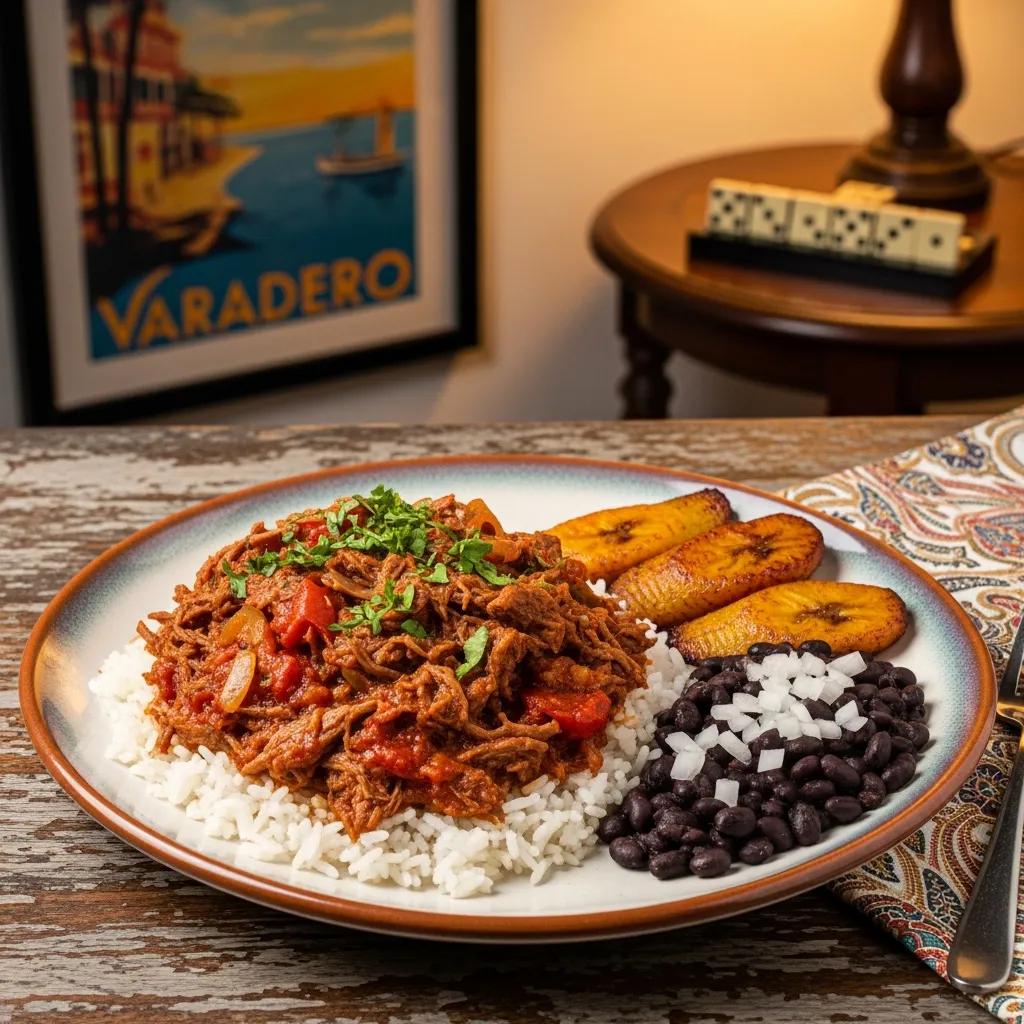
Unlock the Secrets of Authentic Ropa Vieja Recipe
Discover True Cuban Ropa Vieja: How to Cook and Savor Classic Shredded Beef

Ropa vieja is a cornerstone of Cuban home cooking — its name, “old clothes,” hints at the long, ragged strands of shredded beef that give the dish its character. This guide walks you through an authentic ropa vieja recipe: from the bright Cuban sofrito that builds the flavor base to choosing the best cut of beef and picking the right method for your kitchen — stovetop, slow cooker, or Instant Pot. Many cooks struggle to get a deeply flavored sauce and fork-tender meat without drying it out; we explain why low, moist heat plus a vibrant sofrito is the reliable formula for savory, slightly tangy, aromatic results. You’ll learn what ropa vieja is and why it matters, which traditional ingredients to prioritize, clear step-by-step methods with time trade-offs, and ideal sides for a genuine Key West Cuban experience. Practical tips and comparison tables help you choose the approach that fits your schedule and taste — whether you want a slow-cooker version, an Instant Pot shortcut, or a classic braise.
What is Ropa Vieja — and why is it a Cuban classic?
Ropa vieja is a Cuban stew of shredded beef simmered in a tomato-forward sauce scented with sofrito, spices, and sometimes a splash of dry white wine or vinegar. What makes it distinctive is the long, moist cooking that breaks down connective tissue so the meat pulls into tender strands that soak up sauce. A concentrated sofrito and tomatoes layer umami and acidity, producing a comforting, communal main that reflects Cuban cooking’s mix of Spanish, Canary Island and Caribbean influences. Learning the origins and techniques — especially how to build a true sofrito and master braising — shows why humble cuts turn into deeply satisfying ropa vieja.
The dish carries cultural weight beyond its flavor: ropa vieja appears at family meals, holidays, and gatherings across the Cuban diaspora. It’s a dish born of resourcefulness — transforming tougher cuts into celebration food — which is why authentic preparation (slow simmering, bright aromatics, thoughtful seasoning) matters. The next section breaks down the traditional ingredients and explains how each one shapes the final plate.
Where did ropa vieja come from, and what does it mean culturally?
Ropa vieja’s roots trace back to Spanish and Canary Island stews and arrived in Cuba where local produce and techniques turned it into a national favorite. Communities adapted shredded-beef dishes to stretch ingredients and maximize flavor; Cuba’s version added sofrito, sweet peppers, and island spices to reflect local tastes. As families moved across the Caribbean and beyond, ropa vieja became a marker of Cuban identity — a staple at celebrations and weeknight tables alike. Those historical ties show how the dish represents adaptation, family, and culinary memory, which is why recreating authentic flavor is as much about tradition as it is about technique.
How does ropa vieja speak to authentic Cuban cooking?
Ropa vieja captures Cuban cuisine through its reliance on sofrito as the aromatic starting point, slow-cooking techniques rooted in stewing traditions, and a balance of savory, acidic, and fragrant notes common across the island’s food. Sofrito — onions, bell peppers, garlic, and sometimes cilantro or culantro — forms the aromatic backbone; tomatoes plus wine or vinegar add brightness, while cumin and oregano bring earthiness linked to Spanish and Caribbean flavors. Long, gentle simmering concentrates flavor and transforms texture, reflecting communal cooking habits. Those elements — exact sofrito ratios and careful braising — are central to an honest ropa vieja.
Which traditional ingredients make ropa vieja authentic?

Authentic ropa vieja depends on three ingredient groups: the right cut of beef, a lively Cuban sofrito, and a concentrated tomato-based braising liquid with complementary spices. The technique is about layering: the sofrito perfumes the oil, acid and tomato help tenderize, and spices bind savory and bright notes into a sauce that clings to shredded strands. Prioritize fresh bell peppers and ripe tomatoes when possible and choose a beef cut suited to shredding to get the texture and depth you expect. Below is a concise comparison of key ingredients, their roles, and sourcing tips to help you assemble an authentic pantry.
| Ingredient | Role in Dish | Recommended Quality/Sourcing |
|---|---|---|
| Flank steak (preferred) | Long fibers that shred into attractive strands | Fresh, evenly trimmed; choose a uniform thickness |
| Beef chuck or brisket (alternatives) | More marbling; braises into richer, tender strands | Well-marbled cuts from a trusted butcher for deeper flavor |
| Sofrito (onion, green/red bell pepper, garlic) | Aromatic base that layers flavor early | Fresh peppers and onions; chop finely for even cooking |
| Tomato (crushed/diced) | Acidity and body for the sauce; helps tenderize meat | Canned crushed tomatoes for consistency or ripe summer tomatoes |
| Spices (cumin, oregano, bay leaf) | Earthy warmth and Mediterranean-Caribbean linkage | Use freshly ground cumin if possible; fresh bay leaves when available |
This comparison makes clear how each ingredient shapes texture and flavor: start with the right meat and a bright sofrito to set the foundation. Restaurants that emphasize authenticity often stress sourcing and proportional sofrito to make the dish sing — which is why many diners seek out Key West Cuban spots to taste a benchmark version.
What should you know about flank steak and Cuban sofrito?
Flank steak is a go-to for ropa vieja because its pronounced grain separates into long, pleasing strands when braised and soaks up sauce beautifully. Because it’s lean, flank needs enough braising time and moisture to stay tender; score it lightly and always shred against the grain for the best texture. If flank isn’t available, chuck or brisket work well — their higher collagen turns to gelatin over long cooks, creating a richer mouthfeel though the strands may be chunkier. Cuban sofrito is typically finely chopped onion, green and red bell peppers, garlic, and sometimes cilantro or culantro; a rough ratio of 2 parts onion to 1 part pepper and 2–3 garlic cloves per pound of meat gives a balanced aromatic base. Mastering these two elements — cut choice and a cooked-down sofrito — is the backbone of great ropa vieja.
How much does sourcing affect the final flavor?
Freshness and cut selection change the finished dish: fresh peppers and onions brighten the aromatics, while canned tomatoes add dependable body when fresh ones are out of season. Well-marbled beef needs slightly less time to become tender, while lean cuts benefit from a gentler, longer braise to avoid drying out. Small choices — a splash of dry white wine versus a touch of vinegar — shift the acidity and how the sauce coats the meat. Sourcing from a trusted butcher or farmers market and choosing seasonal produce consistently elevates the depth and authenticity of your ropa vieja.
How to cook ropa vieja: step-by-step for traditional and modern kitchens

A clear ropa vieja workflow follows four stages: sear the beef, build a concentrated sofrito, braise until fork-tender, then shred and finish the meat in the sauce so the strands soak up flavor. The key to authentic texture is prolonged moist heat — whether in a heavy pot, a slow cooker, or under pressure — and finishing the shredded meat in a reduced sauce ensures every strand is flavored. Your chosen method changes hands-on time and sauce intensity; below is a short procedural overview and a comparison table to help you choose the right path for your kitchen.
- Season and sear the beef: Brown all sides to develop Maillard flavors that deepen the sauce.
- Make the sofrito: Sweat onions, bell peppers, and garlic, then add tomatoes and spices to build the base.
- Braise until tender: Add braising liquid and cook low and slow until the meat pulls apart easily.
- Shred and finish: Shred the meat, return it to the pot, and simmer until the sauce reduces and coats the strands.
This sequence works across stovetop, slow cooker, and Instant Pot methods; the compact table below highlights time and texture trade-offs so you can pick the best fit.
| Cooking Method | Typical Time | Texture/Flavor Tradeoff |
|---|---|---|
| Stovetop braise | 2.5–4 hours | Best caramelization and control; deep flavor from reduction |
| Slow cooker | 6–8 hours low | Maximum tenderness, hands-off, gentle flavor infusion |
| Instant Pot/pressure | 45–75 minutes | Fast and tender; finish with a quick simmer for fuller reduction |
Which cut is best for ropa vieja — and why?
Flank steak is often the top pick because its long grain yields clean, attractive strands when braised, and it soaks up sauce nicely. Because it’s lean, flank needs enough time and moisture to avoid becoming tough; trimming, scoring, and shredding against the grain will give tender results. If you prefer richer mouthfeel, chuck or brisket are excellent alternatives — their collagen melts into gelatin over long cooks, producing a richer sauce though the strands may be chunkier. Knowing these cut differences lets you adapt braising times and finishing steps to hit the ideal texture.
How do stovetop, slow cooker, and Instant Pot methods differ?
All methods break down collagen into tender strands, but they differ in flavor concentration and hands-on time. Stovetop braising encourages the best caramelization and reduction for a thick, deeply flavored sauce and offers precise control. Slow cookers are hands-off and deliver consistent tenderness, though the sauce can be lighter unless you finish it on the stove. Instant Pot pressure cooking cuts the time dramatically and produces good tenderness; plan a quick sauté or simmer after pressure release to concentrate the sauce. Each approach lets you keep the heart of traditional ropa vieja while matching your schedule.
Best serving suggestions and pairings for ropa vieja
Ropa vieja shines with neutral starches that soak up sauce, savory beans that add depth, and sweet or acidic sides that refresh the palate. The key pairing principle is contrast and support: white rice absorbs sauce, black beans add earthy savor, and plantains or yuca bring texture and sweetness to lift the beef. Serve family-style with bowls of rice and beans for communal dining, or plate individual portions for balanced meals. The table and lists below give practical pairing and serving tips to help you present an authentic meal.
- White rice: A neutral base that carries sauce and balances savory intensity.
- Black beans: A savory, protein-rich counterpoint with complementary spices.
- Maduros (sweet plantains): Provide sweet contrast and tender texture against the beef.
These pairings create a complete Cuban plate where the shredded beef remains the star while each side supports flavor and texture. The next section covers portioning and beverage matches to round out the meal.
| Pairing | Role | Serving Suggestion |
|---|---|---|
| White rice | Neutral starch to absorb sauce | Serve 1–1.5 cups per adult as a base |
| Black beans | Savory balance and texture | Simmer with bay leaf and garlic for depth |
| Plantains (maduros) | Sweet contrast | Fry until caramelized for softness |
| Yuca | Starchy, firm texture | Boil and dress lightly with garlic oil |
Which traditional Cuban sides pair best with ropa vieja?
Traditional sides center on rice and beans, plantains, and root vegetables — each offering a counterpoint to the saucy beef. White rice soaks up sauce and tempers salt; black beans add an earthy, savory layer that complements cumin and oregano; fried sweet plantains (maduros) or crispy tostones introduce sweet or crunchy contrast. Boiled or mashed yuca tossed with garlic oil brings starchy heft and a neutral backdrop. Serving family-style encourages sharing and lets diners combine textures and flavors to their taste.
What drinks work well — are mojitos a good match?
Beverage choices should refresh the palate and cut through richness: classic mojitos, light-bodied reds, and bright whites all work depending on the setting. A mojito’s lime and mint cleanse the palate and lift the tomato-and-cumin notes. For wine, choose a light red with modest tannin or a medium-bodied white with citrus to balance acidity. Non-alcoholic options like sparkling water with lime refresh between bites, while strong Cuban coffee makes a perfect finish after a savory meal. These pairings let you tailor the experience from casual lunches to festive dinners.
Why choose El Meson de Pepe for ropa vieja in Key West?
El Meson de Pepe is a Key West institution known for serving authentic Cuban flavors in a warm, welcoming setting. Our menu highlights traditional dishes like ropa vieja prepared with techniques that reflect the island’s culinary roots, making us a natural stop for both locals and visitors seeking genuine taste. We focus on authenticity, hospitality, and catering or private events — qualities that appeal to anyone looking to enjoy Cuban food for everyday meals or special gatherings. If you want to taste a well-executed ropa vieja before trying it at home, our restaurant is a reliable benchmark for seasoning, texture, and portion.
Guests choose El Meson de Pepe for classic preparation and presentation that honor Cuba’s culinary traditions, plus a friendly atmosphere that accommodates private events. Sampling our ropa vieja helps home cooks calibrate flavor and texture, and our team is happy to answer questions about how we prepare our dishes.
What makes El Meson de Pepe’s ropa vieja stand out?
Our ropa vieja stands out because we prioritize traditional techniques and hospitality-forward service. We emphasize authentic flavors prepared the classic way, a Key West location that blends local and visitor crowds, and an atmosphere designed for communal meals and celebrations. For diners who value authenticity and context, tasting ropa vieja here gives a reliable reference for recreating the dish at home.
How do I book private events featuring Cuban cuisine?
We offer private events and catering that can center around Cuban favorites like ropa vieja. To inquire, contact us through our website or our Google Business Profile with guest count, preferred menu items (for example, ropa vieja as the main), and service style (family-style portions or buffet). Those details help our events team propose menus and service options that match your needs. Using our public listings to request reservations or event information is the best starting point for planning an authentic Cuban gathering in Key West.
- Event inquiry tip: State guest count, desired menu items, and preferred dining style.
- Menu suggestion: Ask for family-style portions including rice, beans, and plantains alongside the ropa vieja.
- Follow-up: Confirm deposits, menu customization, and any dietary needs when you speak with our events team.
- Taste it first: Try ropa vieja at an authentic Key West Cuban restaurant to set your flavor benchmark.
- Recreate at home: Use the sofrito and braising techniques outlined above with confidence.
- Pair thoughtfully: Serve with rice, beans, and plantains and choose a refreshing beverage to balance richness.
These tips bridge tasting and cooking so you can both enjoy a professional version and bring traditional ropa vieja into your own kitchen.
Frequently Asked Questions
What are common mistakes to avoid when making ropa vieja?
Common missteps include choosing the wrong cut, not braising long enough, and rushing the sofrito. Too-lean meat can dry out; insufficient braising keeps the beef from shredding; and a hurried sofrito misses depth. Take time with each step: season well, cook low and slow when needed, and let the aromatics develop for authentic flavor and texture.
Can ropa vieja be made ahead and reheated?
Yes — ropa vieja often tastes better the next day as flavors meld. Cool completely, store in an airtight container in the refrigerator for up to three days, and reheat gently on the stovetop or in the microwave, adding a splash of broth or water if needed to restore moisture. It’s a great option for meal prep or entertaining.
Are there similar versions of ropa vieja in other cultures?
Yes. Variations appear across Latin America and Spain. In Spain, shredded beef stews vary by region and sauce; in Puerto Rico, “carne mechada” is a close cousin with different spice profiles and sometimes alternate techniques. Each region adapts the concept to local ingredients and tastes, showing the dish’s versatility and cultural reach.
How can I adjust the spice level in ropa vieja?
Adjust heat by changing the spices in the sofrito and braising liquid. For milder flavor, reduce cumin and oregano and skip hot peppers. To add heat, include diced jalapeño, a pinch of cayenne, or a spicy sauce. Taste as you go — gradual adjustments preserve balance.
What are alternative serving ideas for ropa vieja?
Beyond rice and beans, try ropa vieja over quinoa for a lighter grain, tucked into tacos or burritos, spooned over polenta, or paired with a crisp salad. It also works well with crusty bread to sop up sauce — versatile enough to fit many menus while keeping the shredded beef front and center.
Can you freeze ropa vieja, and how should it be stored?
Yes. Cool completely, pack into airtight containers or freezer bags (removing excess air), and freeze for up to three months. Thaw overnight in the refrigerator and reheat gently on the stovetop, adding a little liquid if needed to refresh texture and sauce consistency.
Conclusion
Mastering authentic Cuban ropa vieja means learning a few key habits: quality ingredients, a bright sofrito, and patient braising. Follow those principles and you’ll turn modest cuts into a deeply flavored, comforting dish that honors Cuba’s culinary heritage. Explore the steps and tips above, taste an authentic version if you can, and start cooking — this is a recipe that rewards time, care, and good company.
